TL;DR
For a standard rectangular well, a clear polycarbonate cover with mounting clips (Vercraft or QIPRAONO, $65 to $140) handles 90 percent of homes. Go with a metal grate cover only if you need to support regular foot traffic or heavy snow load. If your well is deep enough to require egress, add a hook mounted or bolt mounted steel ladder (Window Well Supply or Zwinz, $50 to $115) rated for IRC egress code. Total cost for a cover plus ladder on one window: $115 to $250.
Basement window wells do a lot of quiet work. They let in daylight, keep soil away from your windows, and in many homes they are part of a legal escape route. A good cover and ladder setup can be the difference between a dry, safe basement and a flooded, risky one.
This guide covers the best window well covers and egress ladders available on Amazon, how to choose the right combo for your home, and how they fit into an overall basement waterproofing and safety plan. For the broader water management picture, see our complete basement waterproofing guide.
The Decision Rule
If your well is under a deck, gets minimal snow, and nobody walks near it: buy a flat or low profile polycarbonate cover. It is the cheapest option and does the job.
If you get regular snow load or your well faces the direction storms blow in from: buy a sloped or dome polycarbonate cover. The slope sheds water and snow instead of holding it.
If the well sits where people, mowers, or heavy debris regularly cross it, or your local code demands a load rated cover: buy a metal grate. You give up some weather sealing, but you gain load capacity and ventilation.
If the well is deep enough to serve as a code egress point (this is common for finished basement bedrooms): add a fixed steel ladder regardless of which cover you choose. A cover keeps water out. A ladder is what gets a person out.
5-Minute Well Diagnostic
Before buying anything, check these four things:
- 1. Measure the opening. Width and length at the top of the well, and note if the front edge is straight, curved, or irregular. Most covers are sold by these dimensions.
- 2. Measure the depth. Stand a tape measure from the well floor to the top lip. This determines whether you need a ladder at all (most codes require one once the well is deeper than the sill height of the escape window) and which rung count to buy.
- 3. Look at your wall material. Smooth poured concrete or masonry backs most standard covers without modification. Brick ledges, siding overhangs, or trim may need a cover with a built in splash guard or spacer.
- 4. Check for standing water right now. If there is water sitting in the well after a dry stretch, your problem is drainage, not the cover. A cover alone will not fix a well that floods from a missing gravel bed or a clogged drain.
If you finished all four and the well is dry, structurally sound, and a standard rectangle, you can order off the shelf. If it is irregular, deep, or already floods, read the sections below before buying.
Quick Comparison: Best Window Well Covers and Ladders 2026
| Product | Type | Price | Best For |
|---|---|---|---|
| Vercraft Polycarbonate Cover with Mounting Clips | Flat polycarbonate | $65 to $90 | Standard rectangular wells, best overall |
| QIPRAONO Egress Cover with Splash Guard | Sloped polycarbonate | $75 to $115 | Wells near siding or brick ledges |
| Just Cover It Polycarbonate Cover | Flat/sloped polycarbonate | $115 to $140 | Built in backsplash, wider size range |
| Atrium Window Well Cover, USA Made | Flat polycarbonate | $100 to $125 | Homeowners who want domestic manufacturing |
| Metal grate cover (steel or aluminum, sized to well) | Metal grate | $90 to $190 | Heavy foot traffic, high snow load, code required venting |
| Window Well Supply Hook Mount Ladder | Fixed steel, hook mount | $50 to $90 depending on rung count | Metal wells, no drilling required |
| Window Well Supply Bolt-On Ladder | Fixed steel, bolt mount | $190 | Concrete or irregular wells, permanent install |
| HomiShare Aluminum Egress Ladder | Fixed aluminum, hook mount | $75 to $100 | Coastal or high moisture climates, corrosion resistance |
| Zwinz 5-Rung Steel Ladder | Fixed steel, hook mount | $70 to $95 | Deeper wells needing 5 or more rungs |
When You Need Window Well Covers and Ladders
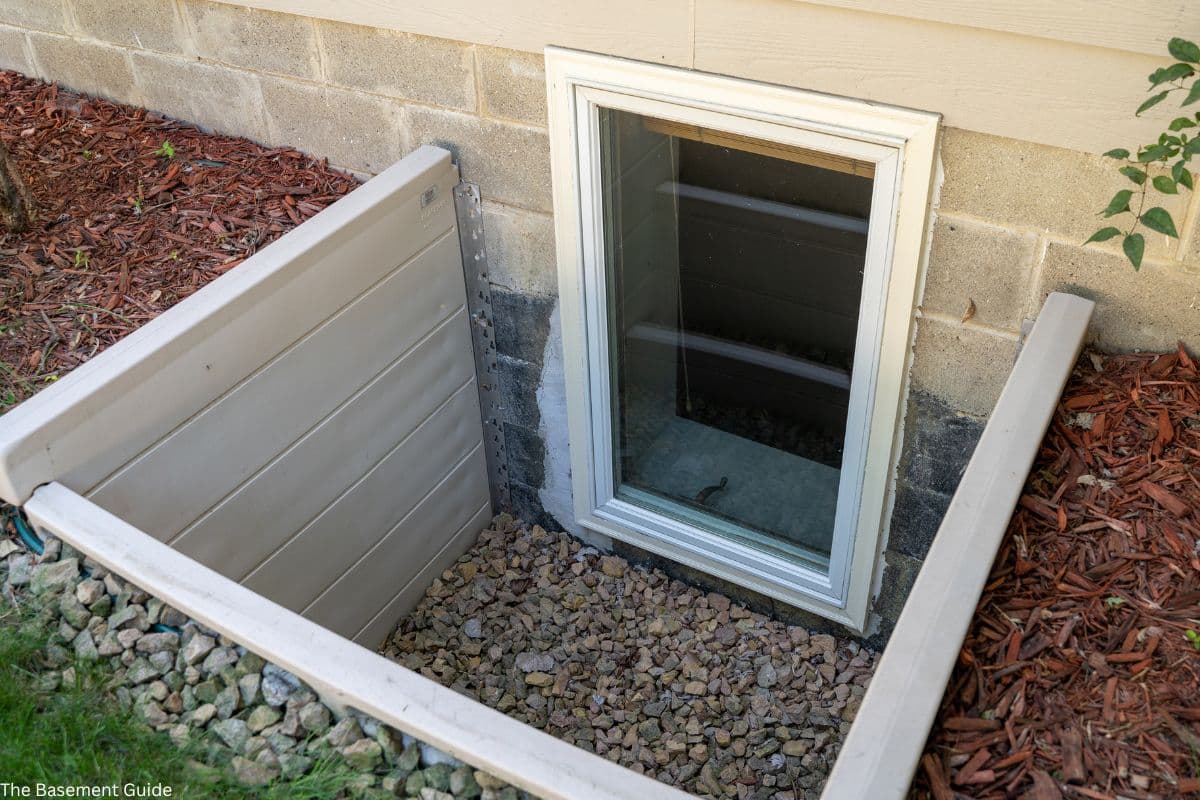
Window wells are exposed pockets in the soil that can collect water, snow, debris, and even animals if left uncovered. At the same time, building codes often require basement egress windows to have a safe path out, which usually means a properly sized well and a fixed ladder.
Covers and ladders solve different parts of the same problem. Covers keep rain, snow, leaves, and trash out of the well and reduce the odds of someone falling in. Ladders provide a solid, repeatable way to climb out of an egress well during an emergency or inspection.
This article assumes you already have a functioning window well or plan to install one. If you are working through bigger issues like wall cracks or bulk water infiltration, start with our basement waterproofing cost guide, then come back here to finish and protect the well.
Types of Window Well Covers
Flat and Low Profile Covers
Flat and low profile covers sit close to grade and are usually clear or translucent polycarbonate.
Best for: Shallow wells under decks or walkways where the cover needs to take occasional foot traffic.
Pick: The Vercraft Polycarbonate Cover is the one to buy for a standard well. It comes with mounting clips so it will not blow off in a storm, uses anti-yellowing polycarbonate, and covers most common well widths.
Watch out for: Poor fit on nonstandard wells, and cheaper plastics that yellow and go brittle within a few years in direct sun.
Sloped and Dome Covers
Sloped and dome covers shed water and snow away from the house and give more vertical room above the window.
Best for: Climates with regular snow, or wells where roof runoff or grading pushes water toward the well.
Pick: The QIPRAONO Egress Cover adds a splash guard that directs runoff away from the window and wall, which helps if you already fight minor seepage.
Watch out for: Headroom conflicts under decks, and needing to match the cover footprint closely to an irregular well shape.
Metal Grate Covers
Steel and aluminum grates trade weather sealing for strength and ventilation.
Best for: Wells where code or personal preference demands a cover rated for significant weight, or where you want ventilation to avoid trapping humidity against a window that already leaks slightly.
Pick: A steel or aluminum grate cover sized to your well opening.
Watch out for: Rain and snow still reach the well through the grate, and coastal or deicing salt climates require inspection for rust over time.
Polycarbonate Versus Metal: What Matters Most
Polycarbonate covers let in natural light, offer strong impact resistance when the panel is thick enough and properly clipped, and need UV stable coatings to avoid clouding over time.
Metal covers carry higher load ratings, handle heavy snow or occasional foot traffic when designed correctly, and ventilate better, but need corrosion resistance and periodic rust inspection in coastal or salt heavy climates.
Polycarbonate covers lean toward water and debris control. Metal grates lean toward safety and durability. Many homeowners run covers plus drainage improvements to get both. If your well is still filling during storms even with a good cover, the fix is drainage, not a better cover. See our basement waterproofing guide for grading and drain fixes.
Window Well Egress Ladders
For wells deep enough to serve as egress, most codes require a fixed ladder or steps built into the well. On Amazon, egress ladders typically share these traits: galvanized or powder coated steel or aluminum construction, rungs spaced at comfortable climbing intervals (commonly around 11 inches), mounting brackets designed to hook or bolt onto corrugated or smooth wells, and heights matched to common well depths with 3 to 6 rungs available.
Fixed Ladders Versus Portable Escape Ladders
Fixed window well ladders mount permanently inside the well, provide a predictable escape route for inspections and emergencies, and are typically built to meet IRC egress code expectations for rung spacing and width.
Portable escape ladders hook onto the sill or wall only when deployed, are intended for temporary use or nonstandard openings, and depend on the occupant knowing where the ladder is stored and how to deploy it under stress.
For true egress wells, fixed ladders are the better choice because they are always present and do not depend on someone finding and placing a product during an emergency.
Ladder Picks
Metal wells, no drilling wanted: The Window Well Supply Hook Mount Ladder hooks over the top lip of a corrugated metal well and meets IRC egress code standards. Available in 3-rung up to 6-rung versions depending on well depth.
Concrete or irregular wells: The Window Well Supply Bolt-On Ladder mounts flush against the wall with bolt holes instead of hooks, which works better on poured concrete wells.
Coastal or high moisture climates: The HomiShare Aluminum Ladder is rated for 400 lbs and resists corrosion better than powder coated steel over the long run.
Deeper wells: The Zwinz 5-Rung Ladder covers wells too deep for a 3 or 4 rung ladder without crowding the rung spacing.
Matching Covers and Ladders
The best setup pairs a cover that keeps the well functional with a ladder that stays accessible. Check for ladder clearance first: the cover should leave enough headroom to climb without hitting your head or shoulders on the underside. Some sloped covers allow the front to prop open during egress, which matters for speed in an emergency.
Avoid blocking the ladder with cover clips or braces. Many polycarbonate covers use front clips and rear brackets that align fine with a ladder, but a few designs interfere if the ladder mounts too high. Sketch your well, ladder, and cover before buying to avoid conflicts. Keep the egress path obvious. Handles or easily recognizable ladder rungs make it easier to find the exit in low light or smoke.
How to Choose the Right Window Well Cover
Measure your well correctly. Measure the widest point of the well opening at the top, note whether the front edge is straight, rounded, or irregular, and check how far the well projects from the house to match depth. Covers that overlap slightly beyond the rim shed water better; covers that match exactly look cleaner but rely more on seal kits and precise clip placement.
Match the cover to your wall and siding. Smooth masonry and poured concrete give solid backing for standard covers. Deep siding profiles, trim, or brick ledges may need a cover with a built in splash guard or spacer.
Consider load rating and climate. Look for a published weight rating if people or heavy snow will sit on top. In hot, sunny climates, prioritize UV resistant polycarbonate. In storm prone areas, more secure fastening and splash guards prevent covers from lifting or leaking at the edges.
How to Choose the Right Window Well Ladder
Match ladder height to well depth. A ladder should run from near the bottom of the well up to just below the top edge so each rung feels even. Shallow wells often need only 3 rungs; deeper wells need 4 to 6 to keep rung spacing comfortable.
Pay attention to mounting and clearance. Brackets usually hook, bolt, or screw into the well wall. Corrugated steel wells may need hardware matched to the rib spacing. A ladder should not protrude so far into the well that it reduces usable standing or climbing space.
Common Mistakes
- Buying by well brand instead of well dimensions. Most covers fit by measurement, not by matching a specific well manufacturer. Measure first.
- Choosing a sealed cover on a well that already traps humidity. An airtight polycarbonate cover on a well with a leaking window or wall seal can make musty smells worse. Fix the leak or choose a vented metal grate.
- Skipping the ladder because the well "isn't that deep." Many codes set the egress ladder requirement based on the escape window's sill height, not gut feel. If in doubt, measure or call a pro.
- Mounting the ladder after the cover. Install the ladder first, then fit the cover around it. Doing it in the wrong order is the most common cause of clearance conflicts.
- Ignoring the drainage problem underneath. A cover reduces water entering the well. It does not fix a well that floods because of missing gravel, a clogged drain, or bad grading. Covering a flooding well just hides the problem until the window seal fails.
- Using clips only, no backing bolts, in high wind areas. Clip-only covers can lift in sustained wind. If you are in a storm prone region, choose a cover with bolt-down hardware, not clips alone.
When to Call a Pro
Call a contractor instead of DIYing this if any of the following apply: your well is irregular, curved, or oversized enough that no stock cover fits and you need a custom or made-to-measure panel; the well floods regularly even with grading and gutters in good shape, which usually points to a missing or failed well drain tied into your footing drain system; you are finishing the basement and the window and well need to be verified against local egress code for size, sill height, and ladder specs before an inspector signs off; or the well wall itself is cracking, bowing, or separating from the foundation, which is a structural issue, not a cover or ladder issue. A local waterproofing or foundation contractor can size a well drain or custom well system correctly the first time.
Cost Breakdown and 10-Year Cost of Ownership
| Item | Upfront Cost | Expected Lifespan | 10-Year Cost (Replacements Included) |
|---|---|---|---|
| Flat polycarbonate cover | $65 to $140 | 6 to 10 years (UV degrades clarity over time) | $75 to $275 |
| Sloped/dome polycarbonate cover | $75 to $140 | 6 to 10 years | $90 to $275 |
| Metal grate cover | $90 to $190 | 12 to 20+ years (repaint may be needed in harsh climates) | $90 to $225 |
| Fixed steel egress ladder | $50 to $115 | 15 to 25+ years | $50 to $115 (rarely needs replacing) |
| Fixed aluminum egress ladder | $75 to $100 | 20+ years (better corrosion resistance) | $75 to $100 |
| Custom/made-to-measure cover system | $190 to $500+ | 10 to 15 years | $190 to $625 |
A ladder is close to a one-time purchase. A polycarbonate cover is the item most likely to need replacing within a decade, especially in high UV climates, which is why the metal grate's higher upfront cost sometimes evens out over a long ownership horizon if you do not need light transmission.
Where Covers and Ladders Fit in Your Overall Basement Plan
Water management. Covers reduce surface water and debris entering the well, which supports your drainage and waterproofing systems. If the well still fills during storms, your waterproofing guide is the next stop.
Air quality and comfort. Keeping water and debris out of wells reduces musty smells and mold risk around window frames. See our basement mold prevention guide and basement humidity guide.
Safety and code. Ladders and properly sized wells help a basement bedroom or living area qualify as legal living space in many jurisdictions. If you are also monitoring for water intrusion around these windows, our best water leak detectors guide covers sensor placement near below-grade windows and walls.
Frequently Asked Questions
What is the best window well cover for a basement?
For most standard rectangular wells, a clear polycarbonate cover with mounting clips, such as the Vercraft or QIPRAONO models, is the best choice. It costs $65 to $140, lets in daylight, and blocks rain, snow, and debris. Choose a metal grate instead only if you need higher load capacity or ventilation.
Do I need an egress ladder if my basement isn't finished?
If the window well is deep enough that it would be classified as an egress point under your local code, yes, even in an unfinished basement. Depth relative to the window's sill height determines the requirement, not whether the space is finished. Measure your well or check with a local inspector if unsure.
Will a window well cover stop my basement from flooding?
No. A cover reduces surface water and debris entering the well, which helps, but it does not fix a well that floods due to poor grading, clogged gutters, or a missing well drain. If your well fills with water regularly, the underlying drainage issue needs to be addressed first.
Can I install a window well cover and ladder myself?
Yes, for standard sized wells. Covers typically install with included clips or brackets in under 30 minutes. Hook mount ladders require no drilling. Bolt-on ladders need a drill and basic hardware. Irregular wells, custom sizing, or code compliance questions are better handled by a contractor.
How much does it cost to cover and add a ladder to one window well?
Expect $115 to $250 total for a standard well: $65 to $140 for the cover and $50 to $115 for the ladder (or $190 for a bolt-on ladder). Custom or made-to-measure systems for irregular wells run $190 to $625 or more.
What is the difference between a fixed ladder and a portable escape ladder?
A fixed ladder mounts permanently inside the well and is always in place, which is what most codes require for a true egress window. A portable escape ladder hooks on only when deployed and is meant for temporary or emergency use, but it depends on someone finding and installing it correctly under stress.
Do metal window well covers rust?
Standard steel grates can rust over time, especially in coastal areas or where deicing salt is used nearby. Look for galvanized or powder coated steel, or choose aluminum, and inspect annually in harsh climates.
How do I know what size window well cover to buy?
Measure the width and length at the top of the well opening, note whether the front edge is straight, curved, or irregular, and measure how far the well projects from the house. Most covers are sold in a range of stock sizes based on these measurements; a slight overlap beyond the rim sheds water better than an exact match.
Glossary
Basement window well
A curved or straight sided enclosure that holds back soil so a basement window can be installed below ground level while still letting in light and air.
Window well cover
A rigid or semi rigid panel that sits on top of a window well opening to keep out rain, snow, debris, and accidental foot traffic while still allowing light to reach the basement window.
Egress window
A window large enough and accessible enough to serve as an emergency exit from a basement or bedroom according to applicable building codes.
Egress ladder
A fixed or semi fixed ladder installed inside a window well to provide a safe and repeatable way to climb from the bottom of the well to ground level during an emergency.
Polycarbonate cover
A window well cover made from clear or translucent polycarbonate plastic that balances impact resistance, light transmission, and weather durability.
Metal grate cover
A window well cover made from steel or aluminum bars that supports weight and allows ventilation while leaving gaps where water and snow can still pass through.
Load rating
The amount of weight a window well cover or ladder is designed and tested to support without failing, often expressed in pounds.
Escape ladder
A ladder specifically intended to provide an emergency path out of a building opening, which may be fixed in place or portable depending on the design.
Splash guard
A raised lip or flange on a window well cover that helps direct rain and runoff away from the window and foundation wall.
Egress compliance
The condition of a window, well, and ladder meeting local building code requirements for minimum size, height, and accessibility so people can use them as emergency exits.