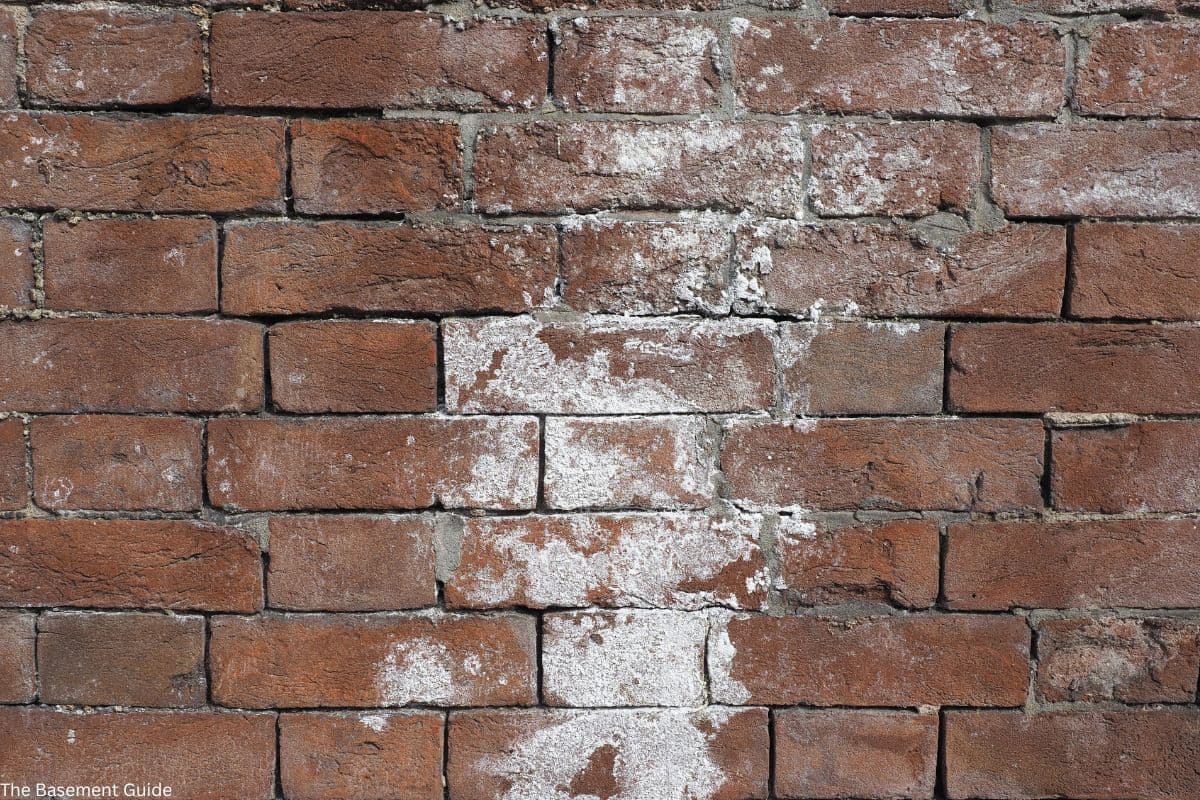
If you have noticed a white, chalky, powdery coating on your basement walls, floor, or foundation, you are seeing efflorescence. It is one of the most common signs of moisture issues in basements, and while it looks harmless, it is actually your concrete telling you water has been moving through it.
This guide explains what efflorescence is, why it shows up, whether it is dangerous, how to clean it safely, and most importantly, how to stop it from returning. Simple, practical advice so you can decide your next steps.
What Is Efflorescence?
Efflorescence is a crystalline salt deposit that forms on porous surfaces like concrete, brick, block, or stone. It appears as white, grayish, or sometimes yellowish powder. The word comes from French, meaning “to flower,” because the salts bloom on the surface when water evaporates.
It is not mold, though mold can grow nearby in damp conditions. It is just mineral salts — mostly calcium carbonate, sodium carbonate, potassium carbonate, or similar compounds — that are naturally present in cement, mortar, soil, or groundwater.
When water passes through the material, it dissolves these soluble salts. As the water reaches the surface and evaporates, the salts crystallize and leave the visible powder behind.
Why Does Efflorescence Appear in Basements?
Basements are especially prone because they are below ground level and constantly exposed to soil moisture. If the powder shows up after rain, reappears after cleaning, or gets worse in humid seasons, it is a strong sign of ongoing water movement.
Common Triggers
Water Intrusion Through Porous Concrete
Moisture passes through foundation cracks, pores, or areas with poor exterior grading.
Groundwater Seepage or Hydrostatic Pressure
Hydrostatic pressure pushes moisture inward through the foundation walls and floor.
Condensation From High Humidity
Warm, humid air meeting cold basement walls creates condensation that carries salts to the surface.
Poor Exterior Drainage
Soil sloping toward the house, downspouts dumping water nearby, and clogged gutters direct water at the foundation.
Newer Concrete or Recent Repairs
Fresh materials have more free lime and unhydrated particles that produce salts as they cure.
Missing or Failed Footer Drains
Without functioning perimeter drains, groundwater has no path away from the foundation.
Key Indicator
If efflorescence appears after rain, returns after cleaning, or worsens in humid seasons, ongoing water movement is the cause.
Is Efflorescence Harmful?
Efflorescence itself is not dangerous to your health. It is just harmless mineral salts, not toxic or mold-related. It will not make you sick or affect air quality on its own.
However, the moisture causing it is the real concern. Think of efflorescence as an early warning light — address the moisture before it becomes a costly repair.
What Ongoing Moisture Can Cause
- •Encourage mold growth behind walls or in corners
- •Cause efflorescence to keep returning and spreading across larger areas
- •Accelerate rust on rebar inside concrete, weakening the structure
- •Weaken concrete over time as salts crystallize and expand within pores
- •Indicate bigger problems like foundation cracks or high groundwater levels
Important
The powder is harmless, but the water behind it is not. Address moisture early to avoid structural damage and mold issues.
How to Remove Efflorescence Safely
Cleaning is straightforward but temporary unless you fix the water source. Follow these steps in order.
Dry Brushing
Use a stiff wire brush or broom to remove loose powder. Do this first for light buildup.
Wet Cleaning
Mix 1 part white vinegar to 5 parts water (mild acid dissolves salts). Scrub with a stiff brush, rinse thoroughly with clean water, and let the surface dry completely. For stubborn areas, use diluted muriatic acid (1:10 with water), but wear gloves, eye protection, and ventilate well.
Avoid Pressure Washing Indoors
Pressure washing can force water deeper into the pores, making the problem worse over time.
Seal After Cleaning (Optional)
Apply a breathable concrete sealer or crystalline waterproofing product to help prevent future deposits.
Key Rule
Never paint or seal over efflorescence without removing it first. The salts will push through and cause peeling or bubbling.
How to Stop Efflorescence From Coming Back
Cleaning removes the symptom. Stopping water movement fixes the problem permanently.
Improve Exterior Drainage (Start Here)
Often the cheapest fix. Regrade soil to slope away from the foundation (at least 6 inches drop over 10 feet), extend downspouts 10 feet from the house, and clean and repair gutters.
Seal Foundation Cracks
Use epoxy or polyurethane injections for hairline cracks to stop water from passing through.
Apply Crystalline Waterproofing
Crystalline products penetrate concrete and grow self-healing crystals to block pores permanently.
Install Interior Drainage
Perimeter drains and a sump pump collect seepage before it reaches your walls and floor surfaces.
Exterior Membrane (Severe Cases)
For serious water intrusion, dig around the foundation and apply a waterproof coating to the exterior wall surface.
Control Humidity
Run a dehumidifier to keep basement air below 50 percent relative humidity, reducing condensation that contributes to salt deposits.
When to Call a Professional
If efflorescence keeps returning quickly, covers large areas, or comes with musty smells, bubbling paint, cracks, or visible mold, it is time to bring in the experts.
Often Free
Waterproofing Inspection
Many contractors offer free evaluations
$200 to $500
Moisture Testing
Moisture meter or thermal imaging to find hidden sources
Varies
Mold Testing
Recommended if dampness is widespread
Quick Summary: What You Should Know
- ✓Efflorescence is harmless white salty powder from water moving through concrete and evaporating.
- ✓It is a clear sign of ongoing moisture — do not ignore it.
- ✓Clean with brushing and vinegar — never paint over it.
- ✓Fix the water source (grading, drainage, sealing) to stop recurrence.
- ✓In basements, it is usually an early warning of bigger moisture issues.
Bottom Line
Efflorescence is your concrete sending a message. The powder is harmless, but the water behind it is not. Start by checking your exterior drainage and grab a hygrometer to monitor humidity.
Frequently Asked Questions About Basement Efflorescence
What is the white powder on my basement walls?
The white powder on basement walls is almost always efflorescence, which is a deposit of mineral salts left behind when water passes through concrete or masonry and evaporates on the interior surface. It is not mold, not toxic, and not harmful to your health. However, it is a reliable indicator that water is actively moving through your foundation.
Is basement efflorescence dangerous?
Efflorescence itself is not dangerous. The mineral salts are harmless. The concern is the moisture behind the efflorescence, which can cause mold growth, foundation crack expansion, and concrete deterioration over time. Think of efflorescence as an early warning sign that should prompt you to investigate the moisture source.
Can I paint over efflorescence?
You should not paint directly over efflorescence. The salt deposits prevent paint from bonding properly to the concrete surface. Paint applied over efflorescence will peel, bubble, and flake within months. Always remove efflorescence completely, allow the surface to dry, and then apply a waterproof sealer before painting.
Will efflorescence go away on its own?
Efflorescence on new concrete may diminish over the first 1 to 2 years as free salts from the curing process are depleted. However, efflorescence on older basement walls will not go away on its own because the water source driving it is ongoing. Until the water movement stops, the efflorescence will continue.
Glossary of Terms
Efflorescence
A white, powdery or crystalline deposit of mineral salts that forms on the surface of concrete, brick, block, or stone when water passes through the porous material, dissolves soluble salts, and evaporates on the interior face. The salts left behind are primarily calcium carbonate, sodium carbonate, and potassium carbonate. Efflorescence is a visual indicator of active moisture movement through masonry.
Hydrostatic Pressure
The lateral force exerted by water-saturated soil against a foundation wall or floor. Hydrostatic pressure is the primary driver of water intrusion in basements and forces water through cracks, joints, and porous concrete at a higher rate and volume than capillary action alone. It is also a primary cause of bowing basement walls.
Porous Concrete
Concrete with tiny open pores and capillaries that allow water and dissolved salts to pass through by capillary action. Even concrete with no visible cracks allows moisture migration through its microscopic pore structure. The porosity of concrete is a primary pathway for the water movement that causes efflorescence.
Crystalline Waterproofing
A chemical treatment applied to concrete surfaces that reacts with moisture and calcium hydroxide in the concrete to form insoluble crystals within pores and micro-cracks. These crystals permanently seal the pathways that water and dissolved salts use to migrate through the concrete. Crystalline products also have self-healing properties for small future cracks.
Footer Drains
A perforated pipe installed at the base of the foundation at the footing level to collect and redirect groundwater away from the structure. Footer drains can be installed on the exterior during construction or on the interior as part of a basement waterproofing system. Missing or failed footer drains are a common cause of persistent efflorescence because groundwater has no path away from the foundation.
Our Network
The Garage Guide covers cracked garage floors, which can show the same efflorescence deposits when moisture migrates through garage slab concrete.
The Septic Guide covers septic smell in yard, which homeowners sometimes investigate alongside basement efflorescence when they notice both moisture signs and unusual odors around their foundation.
Related Guides
Crystalline Waterproofing Guide
How crystalline coatings seal concrete from the inside out and prevent efflorescence.
How to Prevent Basement Mold
Critical steps to stop mold before it starts in damp basement conditions.
Types of Foundation Cracks
Diagnose whether your crack is cosmetic or a structural red flag.
Foundation Crack Repair Cost 2026
Epoxy injection vs polyurethane foam pricing and what to expect.
Musty Basement Smell Guide
Track down and eliminate that damp, earthy odor for good.
Complete Waterproofing Guide
Everything you need to know about stopping basement leaks for good.
Old House Basements Guide
Renovating and waterproofing basements in pre-1940 homes with historic foundations.
Get Expert Help With Basement Efflorescence
Connect with pre-vetted waterproofing professionals in your area. Free assessments, no obligation.