Choose the Right
Sump Pump
From horsepower to pump types, everything you need to know to protect your basement.
The Basement Guide Staff
Updated March 2026 · 28 min read
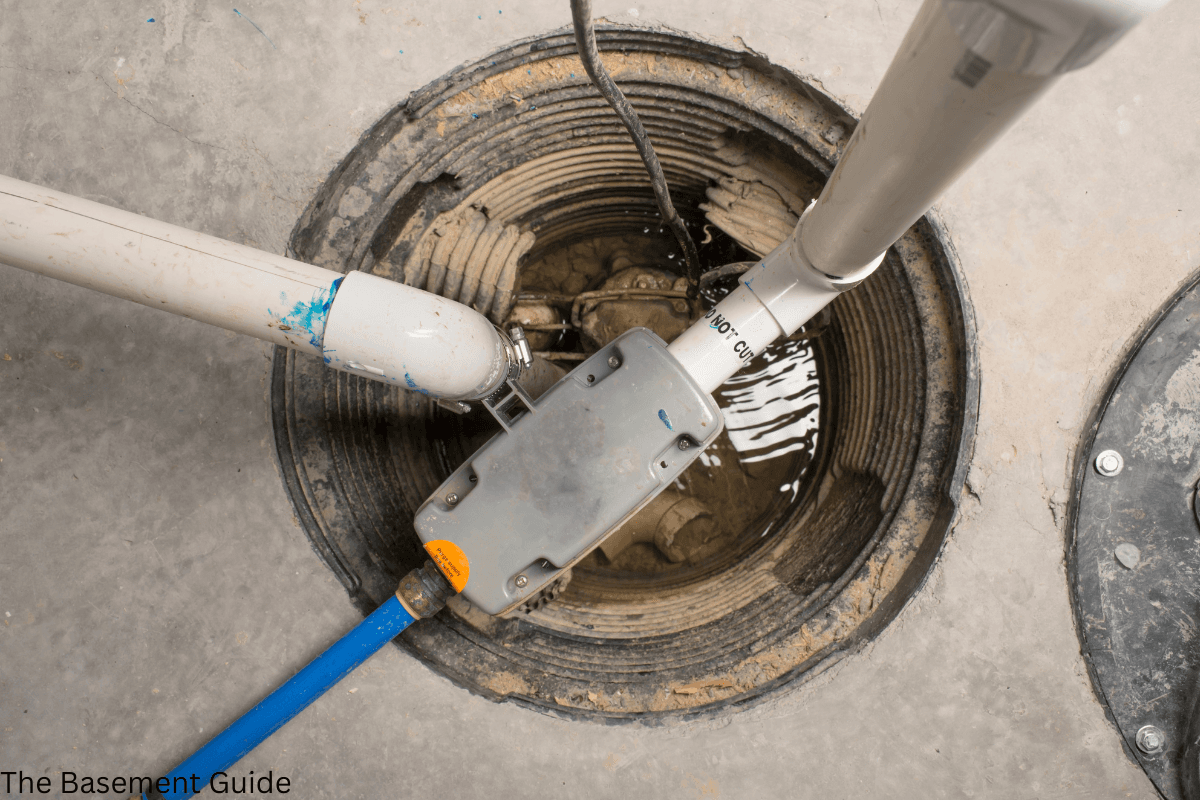
A sump pump is the last line of defense between your basement and water damage. It sits in a pit at the lowest point of your basement floor, automatically activates when water rises to a certain level, and ejects the water outside before it can flood your living space. Every basement with a history of water intrusion, an interior drainage system, or a high water table needs a sump pump. Most basements benefit from one even without a history of flooding because conditions change over time.
Choosing the wrong sump pump means either a pump that cannot keep up with water volume during a heavy storm resulting in flooding or an oversized pump that short-cycles, burns out prematurely, and wastes money. This guide covers every factor that matters including pump types, sizing by horsepower and flow rate, critical features, backup systems, pricing, installation, and maintenance. By the end, you will know exactly what to buy and why.
For specific product recommendations with pricing and reviews, see our best sump pumps 2026 roundup. For installation and replacement pricing, see our sump pump cost guide. For backup power options, see our backup power for sump pumps guide.
Why Your Basement Needs a Sump Pump
Basements sit below ground level, which means they are surrounded by soil that holds water. When it rains, when snow melts, or when the water table rises seasonally, that water exerts hydrostatic pressure against your foundation walls and floor, pushing moisture through every crack, joint, and pore in the concrete.
A sump pump works with your interior drainage system (French drain or perimeter drain) to manage this water. The drainage system collects water at the perimeter of the basement and channels it to the sump pit. The pump then ejects the water outside through a discharge pipe that routes it away from the foundation. Without a working sump pump, water collected by the drainage system has nowhere to go and will back up onto the basement floor.
Even basements without drainage systems benefit from a sump pump because the pit acts as the lowest point where groundwater naturally collects before it spreads across the floor.
Signs Your Basement Needs a Sump Pump (or a Better One)
- You see water on the floor after rain
- Your current pump runs constantly during storms
- Your pump makes grinding or rattling noises
- The pump is more than 10 years old
- You have visible efflorescence or wet walls
- You smell musty odors that indicate moisture
- Water is coming up through the floor
Submersible vs Pedestal Sump Pumps: Which Type Is Best?
There are two main types of sump pumps. The type you choose affects noise, lifespan, power, and cost.
Submersible Sump Pumps
A submersible sump pump sits entirely inside the sump pit, submerged in water during operation. The motor is sealed in a waterproof housing. This is the most popular type for residential basements.
How it works: The entire unit (motor and impeller) sits at the bottom of the sump pit. When water rises to the activation level, the float switch triggers the motor, which spins the impeller and pushes water up through the discharge pipe and out of the basement.
Advantages: Significantly quieter than pedestal pumps because the motor is underwater and the pit lid muffles sound. More powerful, handling higher water volumes. Longer lifespan of 10 to 15 years with proper maintenance. The sealed pit lid keeps debris, odors, and humidity from escaping the pit. Better for finished basements where noise and appearance matter.
Disadvantages: More expensive upfront ($150 to $500 for the pump alone). Harder to access for service because the pump must be pulled from the pit. The motor runs hotter because it is enclosed, though water cooling offsets this.
Pedestal Sump Pumps
A pedestal sump pump has the motor mounted on a shaft above the sump pit, with only the impeller and intake at the bottom of the pit submerged in water.
How it works: The motor sits above the water line on a pedestal. A long shaft connects the motor to an impeller at the base of the pit. When the float switch activates, the motor spins the impeller via the shaft.
Advantages: Less expensive upfront ($60 to $200 for the pump). Easier to access for service and repair because the motor is above the pit. Works in shallow pits where a submersible pump would not fit (pits less than 12 inches deep).
Disadvantages: Significantly louder because the motor is in the open air. Shorter lifespan of 5 to 10 years. Less powerful than submersible models. The open pit allows odors and humidity to escape into the basement. Not ideal for finished basements.
| Feature | Submersible | Pedestal |
|---|---|---|
| Motor location | Inside the pit, underwater | Above the pit, in the open |
| Noise level | Low (motor submerged and pit sealed) | High (motor exposed) |
| Typical lifespan | 10 to 15 years | 5 to 10 years |
| Pump cost | $150 to $500 | $60 to $200 |
| Power range | 1/3 HP to 1 HP | 1/3 HP to 1/2 HP |
| Best for | Most basements, especially finished spaces | Shallow pits, budget situations, crawl spaces |
| Pit depth required | 12 inches minimum (18 to 24 inches ideal) | Can work in pits as shallow as 8 to 10 inches |
| Maintenance access | Must pull pump from pit | Easy access above pit |
Our Recommendation
Choose a submersible pump for most basements. The quieter operation, longer lifespan, and sealed pit design make it the better investment. Choose a pedestal only if your pit is too shallow for a submersible or if you are on a very tight budget. For a deeper comparison, see our submersible vs pedestal sump pump guide.
How to Size a Sump Pump: Horsepower and Flow Rate
Buying the right size pump is critical. Too small and it cannot keep up during heavy rain. Too large and it short-cycles (turns on and off rapidly), which burns out the motor prematurely and wastes electricity.
Horsepower (HP) Selection Guide
| Horsepower | Flow Rate (GPH at 10 ft head) | Best For |
|---|---|---|
| 1/4 HP | 1,500 to 2,500 GPH | Light water, very small basements, laundry or utility pits |
| 1/3 HP | 2,500 to 3,500 GPH | Average rainfall areas with normal water tables. Good for most standard basements. |
| 1/2 HP | 3,500 to 5,000 GPH | The best choice for most homes. Handles moderate to heavy water with a comfortable margin of safety. |
| 3/4 HP | 5,000 to 6,500 GPH | Wet basements, high water tables, large homes, or long discharge runs |
| 1 HP | 6,500+ GPH | Very wet basements, commercial applications, or homes with extremely high water volume |
Our Recommendation for Most Homeowners: 1/2 HP
A 1/2 HP submersible pump provides enough power for moderate to heavy water situations while leaving a safety margin for unusually heavy storms. It costs only $50 to $100 more than a 1/3 HP model but provides significantly more capacity when you need it most.
Understanding Flow Rate and Head Pressure
Flow rate (GPH) is how many gallons of water the pump can move per hour. This number decreases as the pump has to push water higher (more head pressure).
Head pressure is the vertical distance from the water level in the pit to the highest point in the discharge pipe. A typical basement sump pump lifts water 8 to 12 feet vertically. Every pump is rated at a specific head height (usually 10 feet), and the GPH rating drops as head height increases.
How to estimate your needs: During a heavy rain, note how fast the water level rises in your sump pit. If the pit fills from empty to the pump activation level in less than 1 minute, you need a 1/2 HP or larger pump. If it takes 3 to 5 minutes, a 1/3 HP pump is sufficient. If you are unsure, go with 1/2 HP because the cost difference is small and the capacity difference is significant.
Critical Sump Pump Features to Look For
Not all sump pumps at the same horsepower are equal. These features separate reliable pumps from ones that fail when you need them most.
Float Switch Type
The float switch is the mechanism that turns the pump on when water rises and off when it drops. This is the most failure-prone component of any sump pump.
Vertical float switch: Moves up and down on a rod. Less likely to get stuck against the pit wall than a tethered float. Good reliability. Most common type on mid-range pumps.
Tethered float switch: Hangs on a cord and swings upward as water rises. Works well in larger pits but can get tangled or stuck against the pit wall in smaller pits. Avoid in pits under 18 inches diameter.
Electronic (solid-state) float switch: Uses water-sensing probes with no moving parts. Most reliable type because there is nothing mechanical to fail, stick, or tangle. Found on premium pumps. Worth the extra cost.
Our recommendation: Electronic or vertical float switch. Avoid tethered floats in pits under 18 inches in diameter.
Pump Housing Material
Cast iron is the best material for pump housings. It is heavy, durable, dissipates motor heat effectively, and lasts 10 to 15 years. The added weight also keeps the pump stable in the pit during operation.
Thermoplastic (engineered plastic) is lighter, less expensive, and corrosion-resistant. However, it does not dissipate heat as well as cast iron, which can shorten motor life under heavy use. Acceptable for light-duty applications but not recommended for primary basement pumps.
Stainless steel is corrosion-proof and durable but significantly more expensive. Found on premium models.
Our recommendation: Cast iron housing for any primary basement sump pump. The price difference over thermoplastic is $50 to $100 and the lifespan difference is years.
Discharge Size
Most residential sump pumps have a 1.5-inch discharge outlet, which is standard and sufficient for most homes. Larger pumps (3/4 HP and above) may have 2-inch discharge outlets that handle higher water volume. Make sure the discharge pipe from your pump matches the existing discharge pipe in your installation, or plan to adapt.
Check Valve
A check valve prevents water in the discharge pipe from flowing back into the pit after the pump shuts off. Without a check valve, 2 to 5 gallons of water drain back into the pit every cycle, causing the pump to activate again immediately. This short-cycling wastes energy and dramatically shortens pump life. Every installation needs a check valve. If your pump does not include one, buy one separately ($15 to $40).
Thermal Overload Protection
This built-in safety feature shuts the pump off automatically if the motor overheats, preventing permanent motor damage. The pump restarts automatically once it cools down. Found on quality pumps from reputable brands. Do not buy a pump without thermal protection.
Alarm System
An audible or smart alarm that alerts you when the water level in the pit exceeds the normal activation point, indicating the pump has failed or cannot keep up. Some alarms are built into the pump. Others are standalone devices mounted on the pit. Smart sump pump monitors connect to Wi-Fi and send alerts to your phone, which is especially valuable if you travel or own a second property.
Backup Sump Pump Systems: Why You Need One
A primary sump pump is useless during a power outage, which is exactly when you need it most. Heavy storms cause both flooding and power failures simultaneously. Every basement with a sump pump should have a backup system.
Battery Backup Sump Pump
A separate pump powered by a rechargeable battery that activates automatically when the primary pump fails or loses power. Battery backups typically run for 5 to 12 hours of intermittent pumping on a full charge, depending on the battery size and water volume.
Cost: $300 to $900 for the pump and battery. $600 to $1,500 installed as part of a complete system.
Maintenance: Test quarterly by unplugging the primary pump and running the backup. Replace the battery every 3 to 5 years ($100 to $200).
Water-Powered Backup Sump Pump
Uses your home's municipal water pressure to create suction that pumps water out of the pit. Runs indefinitely during a power outage as long as you have water pressure. Uses approximately 1 gallon of city water for every 2 gallons pumped out.
Cost: $400 to $1,200 installed.
Limitations: Only works if you are connected to municipal water (not well water). Increases your water bill during extended use. Lower pumping capacity than battery backups. Some municipalities restrict or prohibit water-powered pumps.
Dual System (Primary Plus Battery Backup)
The most reliable configuration. A primary submersible pump handles day-to-day water removal, and a battery backup pump sits alongside it ready to activate during power outages or if the primary pump fails. Some manufacturers sell integrated dual systems as a single unit.
Our Recommendation
Every basement should have at minimum a primary pump plus a battery backup. The $300 to $600 cost of a battery backup is insignificant compared to the $5,000 to $25,000 cost of water damage from a single flooding event. For a detailed comparison of backup options, see our battery vs water-powered backup sump pump guide. For whole-house backup power options including generators, see our backup power for sump pumps guide.
Sump Pump Cost and Pricing 2026
| Item | Cost Range |
|---|---|
| Basic 1/3 HP submersible pump | $120 to $250 |
| Quality 1/2 HP cast iron submersible | $250 to $450 |
| Premium 1/2 to 3/4 HP with smart features | $450 to $750 |
| Pedestal pump (1/3 HP) | $60 to $200 |
| Battery backup pump and battery | $300 to $900 |
| Water-powered backup pump | $400 to $1,200 |
| Check valve | $15 to $40 |
| Sump pit and basin (if new installation) | $50 to $200 |
| Professional installation (pump only, existing pit) | $300 to $800 |
| Professional installation (new pit, pump, discharge line) | $1,000 to $2,500 |
| Complete system (primary pump, battery backup, installation) | $1,200 to $3,000 |
For a detailed cost breakdown with regional pricing variations, see our sump pump cost guide. For how sump pump costs fit into a broader waterproofing project, see our basement waterproofing cost guide.
Once you have selected the right pump for your basement, use our sump pump replacement cost guide to estimate your installed price based on pump type, backup, labor scope, and region.
Sump Pump Installation: DIY vs Professional
When DIY Installation Makes Sense
Replacing an existing pump in a working sump pit is a manageable DIY project for a handy homeowner. You disconnect the old pump, connect the new pump to the existing discharge pipe, set it in the pit, and plug it in. The job takes 30 to 60 minutes and saves $300 to $800 in installation labor.
When to Hire a Professional
Hire a professional for new installations where no sump pit exists (requires cutting concrete, excavating, and installing a basin), situations requiring a new discharge line routed through the foundation wall, any installation involving electrical work beyond plugging into an existing outlet, installations that include a battery backup system or interior drainage system, and any installation in a finished basement where drywall, flooring, or fixtures need to be worked around.
For guidance on finding a qualified installer, see our how to hire a waterproofing contractor guide.
Top Recommended Brands and Models in 2026
Zoeller
Widely considered the most reliable residential sump pump brand by both homeowners and waterproofing professionals. Their cast iron submersible pumps are the industry standard for durability and quiet operation.
Check Price on Amazon →See our best sump pumps 2026 roundup for specific model recommendations and pricing.
Sump Pump Maintenance: How to Keep Your Pump Running
A sump pump that is never maintained will fail exactly when you need it. These maintenance tasks take 15 minutes per quarter and can extend your pump's life by years.
Quarterly (Every 3 Months)
- Pour a bucket of water into the sump pit and confirm the pump activates, ejects the water, and shuts off automatically
- Listen for unusual noises (grinding, rattling, humming without pumping)
- Check that the float switch moves freely and is not stuck against the pit wall or tangled on the discharge pipe
- Verify the check valve is holding (the pump should not cycle on again immediately after shutting off)
Annually (Before the Rainy Season)
- Clean debris from the sump pit (gravel, dirt, and small objects can clog the intake screen)
- Inspect the discharge pipe for leaks, clogs, or ice damage
- Test the battery backup by unplugging the primary pump and triggering the backup
- Check the battery charge level and replace the battery if it is more than 3 years old
- Verify the discharge outlet outside is clear and water flows freely away from the foundation
Every 7 to 10 Years
Replace the primary pump proactively, even if it is still working. Sump pumps do not give much warning before failure. A pump that ran reliably for 9 years can fail completely during the next heavy rain. Replacing proactively on a schedule is far cheaper than emergency replacement plus flood damage cleanup.
See our best sump pumps 2026 for current replacement recommendations. For more maintenance details, see our spring basement checklist which includes a full sump pump inspection protocol.
How a Sump Pump Works With Your Waterproofing System
A sump pump does not work in isolation. It is one component of a larger basement waterproofing system. Understanding how the pieces fit together helps you make better purchasing decisions.
- Interior drainage system: French drain or engineered channel system collects water at the perimeter of the basement where the wall meets the floor (the cove joint). This water flows by gravity through the drainage channel to the sump pit.
- Sump pit and pump: Collect water from the drainage system and eject it outside through the discharge pipe.
- Discharge line: Carries water from the pump through the foundation wall to an exterior exit point that routes water away from the house (at least 10 feet from the foundation). Some systems include a freeze-resistant discharge line that prevents ice blockage in winter.
- Backup pump: Activates if the primary pump fails or loses power.
- Dehumidifier: Controls residual humidity in the air after the drainage and pumping system has removed the liquid water. See our best basement dehumidifiers guide.
For the complete picture, see our complete basement waterproofing guide and our interior vs exterior waterproofing comparison.
Frequently Asked Questions About Sump Pumps
What size sump pump do I need for my basement?
A 1/2 HP submersible sump pump is the best choice for most homes. It provides 3,500 to 5,000 gallons per hour of pumping capacity at a 10-foot head, which handles moderate to heavy water situations with a comfortable safety margin. Choose 1/3 HP only if your water volume is light and consistent. Choose 3/4 HP or 1 HP for very wet basements, high water tables, large homes, or long discharge pipe runs.
How long does a sump pump last?
A quality submersible sump pump lasts 10 to 15 years with proper maintenance. Pedestal pumps last 5 to 10 years. Battery backup pumps last 5 to 7 years, with the battery itself needing replacement every 3 to 5 years. The most common cause of premature pump failure is lack of maintenance. Replace your pump proactively on schedule rather than waiting for it to fail during a storm.
How much does a sump pump cost to install?
A pump-only replacement in an existing pit costs $300 to $800 for professional installation, or free if you DIY. A complete new installation (pit excavation, pump, discharge line, and electrical) costs $1,000 to $2,500 professionally installed. Adding a battery backup adds $300 to $900 for the equipment. A complete primary-plus-backup system costs $1,200 to $3,000 installed. See our sump pump cost guide for detailed pricing.
Do I need a battery backup sump pump?
Yes. Power outages frequently coincide with heavy storms, which is exactly when your sump pump needs to run. A battery backup sump pump activates automatically when the primary pump loses power and can run for 5 to 12 hours of intermittent pumping. At $300 to $600, a battery backup is the cheapest insurance against a flooding event that could cost $5,000 to $25,000 in water damage and mold remediation. See our battery vs water-powered backup comparison for help choosing between backup types.
What is the best sump pump brand?
Zoeller is widely considered the most reliable residential sump pump brand by both homeowners and waterproofing professionals. Wayne offers excellent value. Liberty Pumps leads in smart features. Superior Pump provides solid budget-friendly options. Basement Watchdog makes the best battery backup systems. See our best sump pumps 2026 roundup for specific model recommendations.
Should I get a submersible or pedestal sump pump?
Choose a submersible pump for most basements. Submersible pumps are quieter, more powerful, longer-lasting, and keep the pit sealed to prevent odors and humidity from escaping. Choose a pedestal pump only if your sump pit is too shallow for a submersible (less than 12 inches deep) or if you need the lowest possible upfront cost. For a detailed comparison, see our submersible vs pedestal guide.
How often should I test my sump pump?
Test your sump pump at least every 3 months by pouring a bucket of water into the pit and confirming the pump activates and shuts off properly. Test before the start of every rainy season. Test the battery backup by unplugging the primary pump at least once a year. If your pump did not activate or made unusual noises during any test, address the issue immediately.
Can I install a sump pump myself?
Replacing an existing pump in a working pit is a straightforward DIY project that takes 30 to 60 minutes. However, new installations requiring pit excavation, concrete cutting, discharge line routing, or electrical work should be done by a professional. Improper installation can result in a pump that does not activate when needed or a discharge that routes water back toward the foundation.
Why does my sump pump keep running?
A sump pump that runs constantly or cycles on and off rapidly usually indicates one of four problems: the check valve is missing or failed, the float switch is stuck in the on position, the pump is undersized for the water volume, or there is a plumbing problem feeding water into the pit continuously. A missing check valve is the most common cause and costs $15 to $40 to fix. See our sump pump running constantly guide for more troubleshooting.
Glossary of Sump Pump Terms
Submersible sump pump
A pump designed to operate fully submerged in water inside the sump pit. The motor is sealed in a waterproof housing. Quieter, more powerful, and longer-lasting than pedestal pumps. Recommended for most residential basements.
Pedestal sump pump
A pump with the motor mounted above the sump pit on a shaft, with only the impeller submerged. Less expensive and easier to service but louder and shorter-lived. Best for shallow pits or budget installations.
Sump pit (sump basin)
A hole in the basement floor, typically 18 to 24 inches in diameter and 22 to 36 inches deep, lined with a plastic or fiberglass basin. Collects water from the interior drainage system and houses the sump pump. A sealed lid prevents debris, odors, and humidity from escaping.
Float switch
The mechanism that activates the sump pump when water rises to a set level and deactivates it when water drops. Can be tethered, vertical, or electronic (solid-state). Electronic switches are the most reliable.
Check valve
A one-way valve installed on the discharge pipe above the pump that prevents water from flowing back into the pit after the pump shuts off. Without a check valve, the pump short-cycles, wasting energy and reducing lifespan.
Head pressure
The vertical distance from the water level in the sump pit to the highest point of the discharge pipe. Higher head pressure reduces the pump's effective flow rate. Most residential installations have 8 to 12 feet of head pressure.
GPH (gallons per hour)
The volume of water a sump pump can move in one hour at a specified head pressure. A typical 1/2 HP pump moves 3,500 to 5,000 GPH at 10 feet of head. Always compare pump ratings at the same head pressure for an accurate comparison.
Discharge pipe (discharge line)
The pipe that carries water from the sump pump through the foundation wall to an exterior exit point. Should route water at least 10 feet from the foundation. Standard diameter is 1.5 inches.
Short-cycling
A condition where the sump pump turns on and off rapidly in quick succession, usually caused by a missing or failed check valve, an oversized pump, or a stuck float switch. Dramatically reduces pump lifespan and increases energy consumption.
Battery backup sump pump
A secondary pump powered by a rechargeable battery that activates automatically when the primary pump fails or loses electrical power. Provides 5 to 12 hours of intermittent pumping capacity. Battery should be replaced every 3 to 5 years.
Thermal overload protection
A built-in safety feature that automatically shuts off the pump motor if it overheats, preventing permanent damage. The pump restarts automatically once it cools to a safe temperature. Found on quality pumps from reputable manufacturers.
Related Guides
Best Sump Pumps 2026
Sump Pump Cost
Submersible vs Pedestal Sump Pump
Battery vs Water-Powered Backup
Backup Power for Sump Pumps
Smart Sump Pumps Guide
Why Basement Floods With Sump Pump
French Drain Cost
French Drain vs Sump Pump
Interior Basement Drainage Systems
Complete Waterproofing Guide
Interior vs Exterior Waterproofing
Basement Waterproofing Cost
How to Prevent Basement Mold
Wet Basement Walls
Water Coming Up Through Floor
Basement Efflorescence
Best Basement Dehumidifiers
How to Hire a Waterproofing Contractor
Spring Basement Checklist
Basement Flooding Insurance
How to Finish a Basement
Basement Finishing Cost
Our Network
The Garage Guide
Water leaking into garage — where a sump pump is sometimes the solution for garages with chronic water intrusion from groundwater or poor drainage.
The Septic Guide
Septic overflow after rain — which can compound basement flooding problems in homes where both the septic system and the basement drainage are overwhelmed by the same heavy rain events.
Get a Professional Sump Pump Installation
Not sure which pump to choose? Connect with pre-vetted waterproofing professionals in your area. Free assessments, no obligation.