Guides10 min read

The Pre-Finish Audit: 7 Things You Must Do Before Hanging Basement Drywall

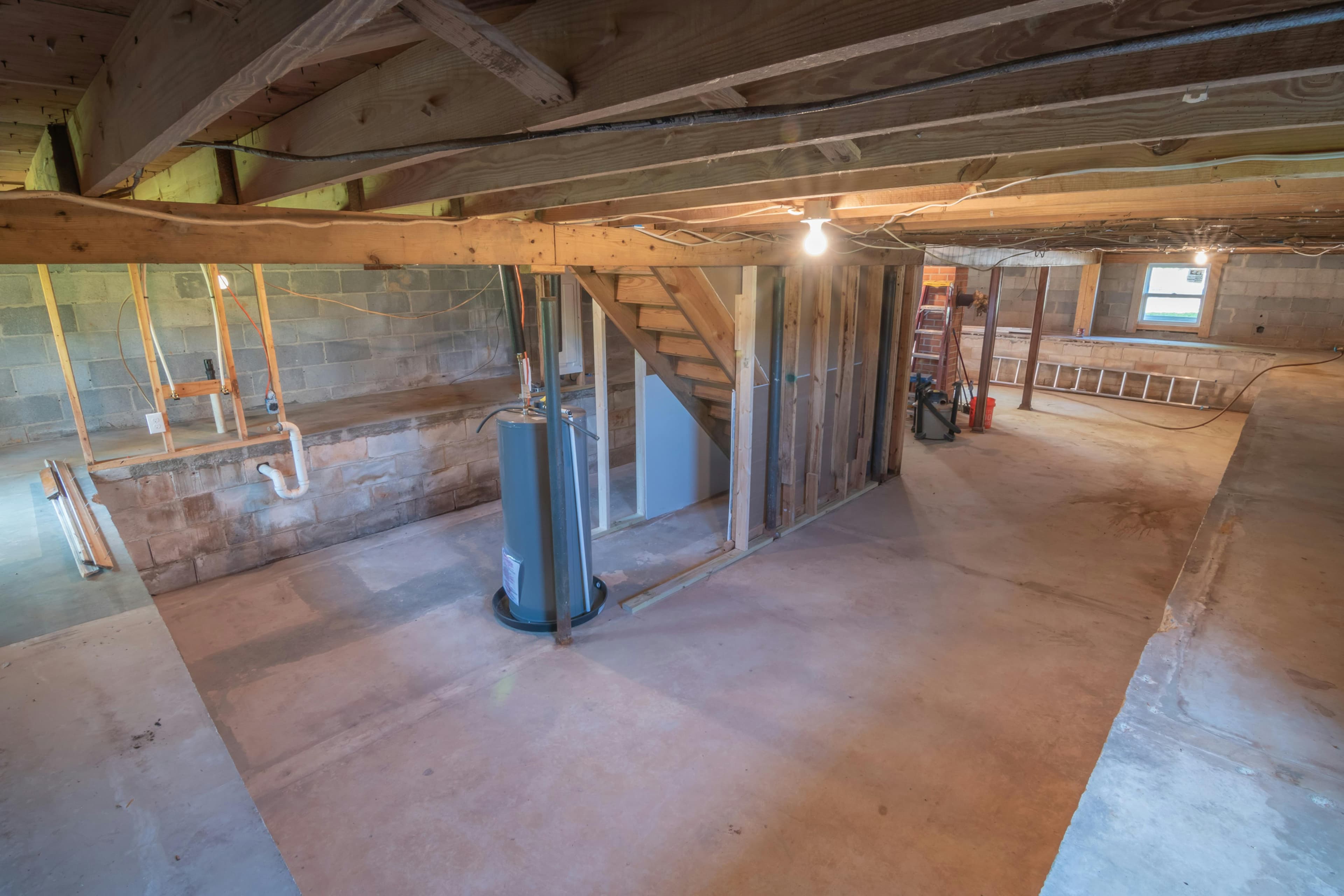
You have done it. The leaks are stopped, the vision is clear, and you are ready to turn that concrete cavern into a high end living space. But finishing without a rigorous audit is the single biggest mistake a homeowner can make.

Once that drywall is up, you lose the ability to see what your foundation is doing. You are essentially burying your home's most vulnerable systems behind a layer of paper and gypsum. In this guide, we are going to walk through the seven essential checkpoints to future proof your basement.

1. The Concrete Breathability Test (The 24 Hour Plastic Test)

Before you buy a single 2x4, you need to ensure the concrete is not "breathing" excessive moisture. Even a bone dry wall can be a source of high humidity through a process called vapor drive.

The Science

Concrete is a porous material. Moisture from the soil outside moves through the wall as a vapor. If you trap this vapor behind an airtight wall without a plan, it will condense into liquid water and grow mold.

The Test

Cut several 2-foot by 2-foot squares of clear 6 mil polyethylene plastic. Tape them to different sections of the floor and walls using high-tack duct tape. Ensure the edges are completely airtight.

24-Hour Plastic Test

PLASTIC SHEETCONCRETE WALL/FLOORIf you see water droplets = TOO WETDuct tape all edges

The Diagnosis

Wait 24 to 48 hours. If you see fogging or water droplets on the underside of the plastic, your foundation is still actively wicking moisture.

The 2026 Fix

You must apply a penetrating silicate sealer. Unlike "waterproof paint" that sits on the surface, silicates sink two inches into the concrete and crystallize, physically blocking the pores while still allowing the wall to stay structurally sound.

2. Future-Proofing the Cove Joint

As we established in our main guide, the cove joint is where the wall meets the floor. It is a structural weak point. Even if it is dry today, a 100-year storm could change that.

The Strategy

Install a cove joint drainage "kick out" or a baseboard drainage channel. These are low-profile plastic tracks that sit at the base of the wall before the framing goes up.

The Mechanism

If the wall ever seeps in the future, the water is caught by the track and channeled into your sump pit rather than soaking into your carpet or wall studs.

⚠️ Critical Warning

Do not seal the cove joint with caulk. This can trap hydrostatic pressure and cause the floor to crack. Use a drainage approach instead of a blockage approach.

3. The Modern Vapor Management System

Building codes in 2026 have moved away from the "plastic sheet" method. Old school 6 mil poly stapled to studs often creates a "moisture sandwich" that rots wood.

The 2026 Standard

Use Rigid Foam Insulation (XPS or EPS) directly against the concrete.

Why it Works

Rigid foam acts as a vapor retarder and a thermal break. It keeps the interior side of the foam warm. When the warm, humid air of your finished basement hits the foam, it does not condense because the surface is not cold.

Proper Vapor Management Layers

ConcreteRigid Foam(XPS/EPS)StudsDrywallVapor tapeon all seamsCOLD SIDE →← WARM SIDEMoisture

The Installation

Glue the foam boards to the concrete using a foam compatible adhesive. Seal every seam with high-quality vapor tape (like Mylar tape). This creates a seamless, airtight cocoon around your basement.

Advertisement

4. No Wood to Concrete Contact (The Capillary Break)

Wood is food for mold. Concrete is a sponge. If you put them together, the wood will eventually rot.

The Bottom Plate

Every wall you build must have a pressure treated (PT) bottom plate. This is required by code, but we go a step further.

The Sill Sealer

Place a thin strip of closed cell foam (sill sealer) between the PT wood and the concrete floor. This provides a "capillary break" that stops moisture from wicking up even into the treated wood.

Fastener Choice

When shooting nails into the floor, ensure you use galvanized or stainless steel fasteners. The chemicals in pressure treated wood will eat through standard steel nails in a matter of months.

5. Plumbing and Electrical Redundancy

Once the walls are closed, your ability to fix a leak or upgrade your tech drops to zero.

Pipe Insulation

Wrap every cold water pipe in foam sleeves. This prevents the pipes from "sweating" and dripping water onto the back of your new drywall.

Access Panels

You must install access panels for every shut off valve, clean out, and junction box. In 2026, we recommend using "hidden" magnetic panels that can be painted or wallpapered to match the room.

Conduit Runs

Run a 1-inch PVC conduit from your utility room to your TV area. If you want to upgrade to 16K resolution or fiber optics in five years, you can just pull the new wire through the wall without cutting a hole.

6. Sump Pump 2.0 (The Smart Upgrade)

A finished basement is an investment of $30,000 to $100,000. It is madness to protect that investment with a $150 pump from a big box store.

The Battery Backup

This is non-negotiable. Most floods happen during storms when the power goes out. Your backup system should be able to run for at least 24 hours on battery power.

Smart Monitoring

In 2026, your pump should be connected to your Wi-Fi. It should text you if the water level rises too high, if the battery is low, or if the primary pump has failed.

Dual Pumps

The best "pro level" pits now feature two primary pumps side by side. If Pump A fails, Pump B automatically kicks in and notifies you.

💡 Recommended Sump Pump Systems

* Affiliate links - we may earn a commission at no cost to you

7. The Mechanical Room and HVAC Balance

Basements are naturally colder and more humid than the rest of the house. Your HVAC system needs to be adjusted to compensate.

Return Air

Most people forget to add return air vents to their basements. Without them, the air stays stagnant, which leads to that "basement smell."

Combustion Air

If you are enclosing your furnace or water heater, you must ensure they have enough "make up air" to burn fuel safely. Use louvered doors or dedicated air intake pipes.

The Dehumidifier

A finished basement needs a dedicated, high capacity dehumidifier that is hard piped into the sump pit. Relying on a small portable unit that you have to empty by hand is a recipe for failure.

✓ Pre-Finish Audit Checklist

  • Passed 24-hour plastic test (no moisture)
  • Cove joint drainage installed
  • Rigid foam insulation applied with vapor-sealed seams
  • Sill sealer under all PT bottom plates
  • Access panels installed for all valves/junctions
  • Smart sump pump with battery backup installed
  • HVAC return vents and dehumidifier planned

Glossary

Capillary Break
A material that stops moisture from wicking from one surface to another.
Conduit
A pipe or tube used to protect and route electrical wiring.
Cove Joint
The structural seam where the wall and floor meet.
PT Wood
Pressure-treated lumber, designed to resist rot and insects.
Rigid Foam (XPS)
Extruded Polystyrene, a dense foam board ideal for basement insulation.
Sill Sealer
A foam gasket used between wood and concrete.
Vapor Drive
The movement of moisture vapor through a material due to differences in humidity.
Vapor Retarder
A material that slows the rate at which water vapor can pass through a wall.

Ready to Finish Your Basement Right?

Get free quotes from experienced basement finishing contractors.

By submitting this form, you agree to be contacted by up to 3 contractors. No obligation to hire.