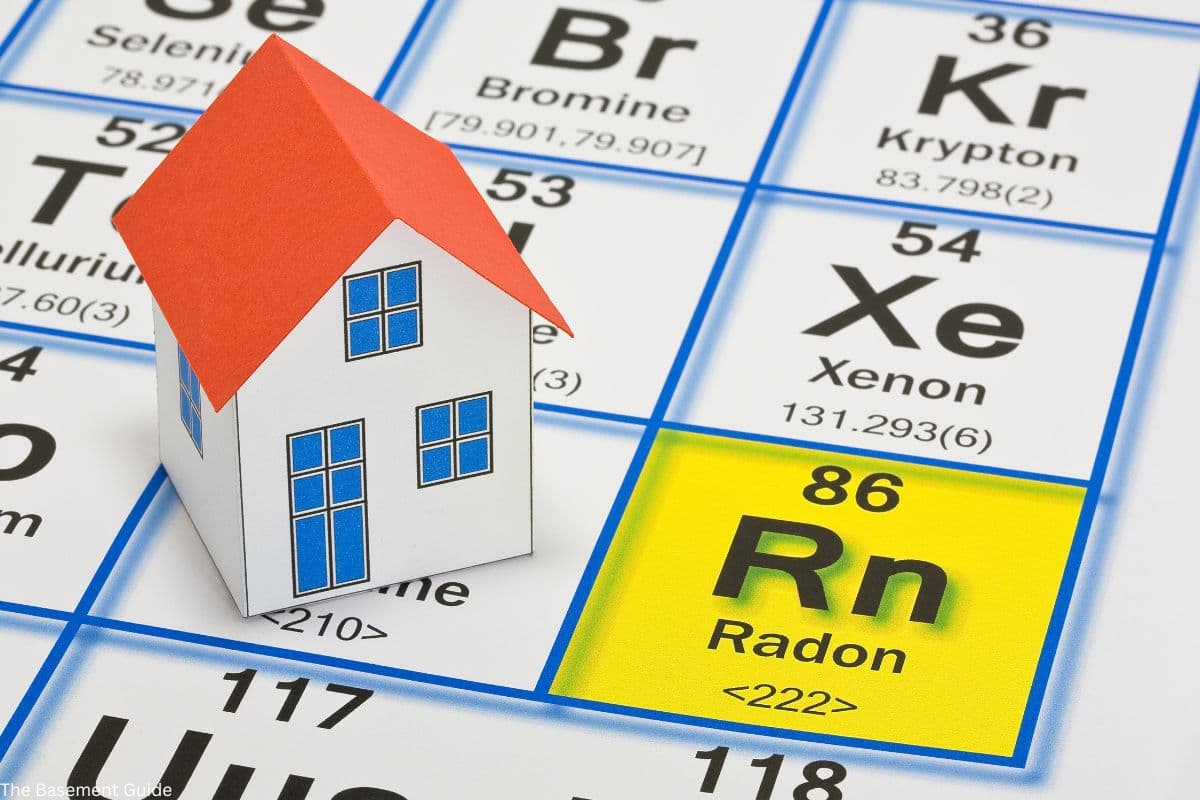
Radon & Basement Waterproofing
The Science of Sealing for Health & Safety
How sealing your home reduces radon risks and prevents water damage — your complete 2026 guide.
Radon gas poses a serious health threat in many homes while basement water damage can lead to costly repairs and mold growth. These issues often share common entry points through foundation cracks and gaps. Basement waterproofing not only protects against moisture but also plays a key role in radon mitigation by sealing those vulnerabilities.
Radon and basement waterproofing are addressed together because they share the same entry points into a home: foundation cracks, construction joints, gaps around pipe penetrations, and porous block walls. Radon is a radioactive gas produced by the natural decay of uranium in soil and rock, and it moves into homes through the same pathways that allow groundwater and soil moisture to infiltrate a foundation. Basement waterproofing reduces radon infiltration by sealing these shared vulnerabilities, but it is not a substitute for a dedicated radon mitigation system when levels exceed the EPA action threshold of 4 picocuries per liter. Understanding where the two systems overlap — and where waterproofing ends and active mitigation must begin — is the foundation of an effective integrated approach.
In this comprehensive guide updated for 2026, we explore the science behind radon, its health risks, how waterproofing helps reduce radon levels, best practices for integrated solutions, costs, testing methods, and more. Whether you are dealing with high radon levels in your basement, planning a home renovation, or researching radon-resistant construction, this article provides actionable insights to safeguard your family and property.
Understanding radon testing, radon mitigation systems, and basement waterproofing techniques can help you achieve safer indoor air quality and a dry, durable foundation.
What Is Radon Gas? Sources and Health Risks
Radon is a naturally occurring radioactive gas that forms from the decay of uranium in soil, rock, and water. It is colorless, odorless, and tasteless, making it impossible to detect without testing. Radon seeps into homes through foundations, especially in areas with high uranium content in the soil.
According to the EPA, radon is present in all 50 states with higher concentrations in regions like the Midwest, Northeast, and Rocky Mountains.
⚠️ Critical Health Warning
Exposure to radon is the second leading cause of lung cancer in the United States, responsible for an estimated 21,000 deaths annually. It is the top cause of lung cancer among non-smokers. Smokers exposed to radon face up to 10 times higher risk.
The EPA states there is no safe level of radon exposure but recommends action if levels reach 4 picocuries per liter (pCi/L). Even levels between 2 and 4 pCi/L warrant consideration for mitigation, as risks increase with prolonged exposure. Recent studies link low-level radon exposure below EPA guidelines to increased childhood leukemia risk.
Key Health Impacts
Lung Tissue
Damage from radioactive particles that attach to lung tissue during breathing.
Cancer Risk
Increased cancer risk equivalent to 200 chest X-rays per year at 4 pCi/L.
Children at Risk
Higher risks for children due to faster breathing rates and developing lungs.
Testing your home is essential, as radon levels vary by location and home structure.
How Radon Enters Homes: Common Pathways
Radon enters buildings primarily through soil gas movement driven by air pressure differences. Homes act like vacuums, pulling radon upward through foundations. Moist soil increases radon mobility, as water displaces gas pushing it toward your home. Poor drainage around foundations exacerbates this issue, creating higher pressure that forces radon inside.
Common Entry Points
Cracks in concrete floors and walls
Gaps around pipes, utility lines, and sump pumps
Construction joints and porous block walls
Crawl spaces and unfinished basements
Well water (though airborne entry is more common)
Understanding Basement Waterproofing Basics
Basement waterproofing prevents water intrusion that can cause structural damage, mold, and poor indoor air quality. Effective waterproofing maintains dry conditions, reducing hydrostatic pressure that can widen cracks over time.
Waterproofing Methods
Interior Drainage
French drains or sump pumps to collect and redirect water away from the foundation.
Applied to foundation walls to block moisture from penetrating the structure.
Sealants & Vapor Barriers
Close cracks and prevent humidity buildup inside the basement.
Grading & Downspouts
Improve site drainage by directing water away from the foundation perimeter.
The Link Between Basement Waterproofing and Radon Mitigation
Waterproofing and radon mitigation are interconnected because both address foundation vulnerabilities. Sealing cracks during waterproofing blocks radon entry points, reducing levels by up to 50 percent in some cases. Waterproofing also lowers moisture, which can otherwise increase soil gas pressure facilitating radon infiltration.
Key Insight
However, waterproofing alone is not sufficient for high radon levels. It complements dedicated mitigation systems like sub-slab depressurization, where pipes and fans vent radon outdoors. Integrated approaches ensure compatibility, such as using radon-compatible drains that maintain system seals.
Case studies show radon reductions after waterproofing, but always combine with testing and mitigation for complete protection.
Best Practices for Integrated Radon Mitigation and Waterproofing
Follow EPA guidelines for effective solutions.
🏠 For New Construction
Install a 4-inch gravel layer under the slab.
Place 6-mil plastic vapor barriers over gravel.
Use vent pipes from sub-slab to roof.
Seal all cracks, joints, and penetrations with polyurethane caulk.
🛠️ For Existing Homes
Seal foundation cracks with epoxy or caulk.
Install interior drainage with sealed flanges for radon compatibility.
Add sub-slab depressurization systems with fans.
Encapsulate crawl spaces with vapor barriers and ventilation.
Improve exterior drainage to reduce soil moisture.
💡 Professional Tip
Always use certified professionals for installation to ensure systems work together without compromising air quality.
Radon Testing: When and How to Test Your Home
Test every home regardless of location, as levels vary. The EPA recommends testing every two years or after major renovations. Test in the lowest lived-in level, like basements. If levels exceed 4 pCi/L, mitigate immediately. Retest after installation to confirm reductions of up to 99 percent.
Testing Methods
Short-Term Kits
$20–$50
2 to 7 days for initial screening. Good for a quick baseline reading.
Long-Term Kits
$30–$100
3 to 12 months for accurate averages. Recommended for definitive results.
Professional Monitors
$150+
Digital real-time data. Best for ongoing monitoring and verification.
Affordable Digital Radon Detector
For quick peace of mind, a plug-in digital radon detector gives you continuous readings without lab fees. Keep one running in your basement year-round to catch any changes early.
Check Price on Amazon →Costs of Radon Mitigation and Basement Waterproofing (2026 Estimates)
Costs vary by home size, location, and system complexity.
Radon Mitigation Costs
$1,200–$1,800 average
Simple slab systems: $800–$1,500
Complex basement systems: $1,500–$2,500+
Basement Waterproofing Costs
$5,000–$5,228 average
Interior drainage: $1,500–$7,000
Exterior membranes: $10,000+ for full excavation
Combined Systems Cost Comparison
| System Type | Average Cost (2026) | Notes |
|---|---|---|
| Radon Mitigation Only | $1,200–$1,800 | Includes fan and venting |
| Waterproofing Only | $5,000–$7,000 | Interior methods |
| Integrated Radon + Waterproofing | $6,000–$10,000 | Seals both issues |
| Testing Kits | $20–$100 | DIY options |
ROI includes health benefits, reduced repair costs, and higher home value — up to $5,000 in radon-safe homes.
DIY Versus Professional Installation
DIY Approach
$100–$500
Suitable for sealing small cracks only.
May miss hidden issues and could void warranties.
Professional Services
Recommended
Ensures compliance with codes and proper integration.
Guarantees often 10 to 25 years.
Use certified radon mitigators from EPA or state lists for safety.
Regulations and EPA Guidelines for Radon
EPA sets the action level at 4 pCi/L but notes risks at lower levels.
Some states require radon disclosure in real estate transactions.
New homes in high-risk zones should include radon-resistant features per EPA standards.
Check local building codes for specific requirements in your area.
Which Solution Does Your Home Need
| Your Situation | Radon Action Needed | Waterproofing Action Needed |
|---|---|---|
| Radon below 2 pCi/L, dry basement | Test every 2 years, no mitigation required | Maintain existing waterproofing, inspect annually |
| Radon 2 to 4 pCi/L, dry basement | Consider mitigation; retest in 12 months | Seal any visible cracks as a precaution |
| Radon at or above 4 pCi/L, dry basement | Install sub-slab depressurization immediately | Seal all cracks and penetrations as part of mitigation prep |
| Radon below 2 pCi/L, wet or leaking basement | Retest after waterproofing is complete | Full interior drainage and waterproofing required |
| Radon at or above 4 pCi/L, wet or leaking basement | Install integrated mitigation and waterproofing system together | Radon-compatible drainage with sealed flanges required |
| Crawl space foundation, any radon level | Sub-membrane depressurization after encapsulation | Full crawl space encapsulation with 20-mil vapor barrier |
| New construction in high-radon zone | Install RRNC features during build | Install vapor barrier and sealed sub-slab vent pipe |
| Post-renovation radon spike | Retest immediately; install or extend SSD system | Inspect for new cracks or disturbed seals from renovation work |
| Foundation cracks present, untested for radon | Test before and after crack repair | Seal cracks with epoxy or polyurethane injection |
| Planning to sell home | Test and mitigate if at or above 4 pCi/L; document results | Document waterproofing work for buyer disclosure package |
| Existing mitigation system, radon rising | Service fan, check pipe seals, retest | Inspect for new cracks or drainage changes affecting sub-slab pressure |
| High water table, wet soil conditions | Higher radon risk — test more frequently | Exterior grading, French drain, and interior drainage system |
Glossary
Radon
A naturally occurring radioactive gas produced by the decay of uranium in soil, rock, and groundwater, classified by the EPA as a Group A human carcinogen. Radon is colorless, odorless, and tasteless, making it undetectable without testing equipment. It is the second leading cause of lung cancer in the United States, responsible for an estimated 21,000 deaths annually.
Sub-slab depressurization (SSD)
The most effective and widely used active radon mitigation method, in which a pipe is inserted through the concrete slab and connected to a fan that continuously draws soil gas from beneath the foundation and vents it to the exterior. SSD systems reduce radon levels by up to 99 percent in most installations and can be installed in most slab and basement foundations regardless of construction type. See our radon testing and mitigation guide for a full breakdown of system types and costs.
Picocurie per liter (pCi/L)
The unit used to measure radon concentration in indoor air, where one picocurie represents approximately 2.2 radioactive decay events per minute per liter of air. The EPA recommends radon mitigation action when levels reach 4 pCi/L and considers levels between 2 and 4 pCi/L worth addressing given the cumulative risk of long-term exposure. The average indoor radon level in the United States is approximately 1.3 pCi/L.
Hydrostatic pressure
The force exerted by groundwater in saturated soil against a foundation wall or floor slab. Hydrostatic pressure is the primary driver of both water intrusion and radon infiltration in below-grade spaces, because it creates the pressure differential that pushes soil gas and moisture through foundation cracks and porous concrete. Reducing hydrostatic pressure through exterior grading, drainage improvements, and waterproofing reduces both water and radon entry simultaneously.
Vapor barrier
A sheet of polyethylene film installed over bare soil in crawl spaces or under concrete slabs to block moisture and soil gas from migrating into the living space. Vapor barriers used in radon mitigation applications must be rated at a minimum of 6 mil thickness, though 20-mil reinforced barriers are preferred for crawl space encapsulation because they resist puncture during installation and long-term use. See our best vapor barriers guide for product recommendations by application.
Epoxy injection
A crack repair method in which structural epoxy resin is injected under pressure into foundation cracks to bond the crack faces together and restore the structural integrity of the concrete. Epoxy injection is preferred for structural cracks that have compromised the load-bearing capacity of the wall, while polyurethane foam injection is preferred for active water-leaking cracks because it expands on contact with moisture. Both methods seal radon entry points as part of the repair. See our foundation crack repair cost guide for pricing by crack type.
Radon-resistant new construction (RRNC)
A set of building practices recommended by the EPA for new homes in high-radon areas, including a 4-inch gravel layer under the slab, a 6-mil polyethylene vapor barrier over the gravel, a vertical vent pipe from the sub-slab through the roof, and sealed joints and penetrations. RRNC features cost approximately $500 to $2,500 to include during construction and make it straightforward to activate an active mitigation system later if testing shows elevated levels. Homes built with RRNC features typically test lower for radon than comparable homes without them.
Soil gas
The mixture of gases — including radon, carbon dioxide, methane, and water vapor — that occupies the pore spaces between soil particles beneath and around a foundation. Soil gas moves toward lower pressure zones, which means it is continuously drawn toward the interior of a home whenever indoor air pressure is lower than subsurface pressure. Waterproofing and active depressurization systems both work by interrupting the pathways through which soil gas enters the structure.
Integrated mitigation system
A combined approach in which basement waterproofing and radon mitigation are designed and installed to work together rather than as independent systems. Integrated systems use radon-compatible interior drainage channels with sealed flanges that maintain the sub-slab pressure field required for effective depressurization, and sealants and vapor barriers that address both moisture and gas entry simultaneously. This approach avoids the common problem of waterproofing installations that inadvertently compromise a previously functioning radon mitigation system by disrupting sub-slab airflow.
Frequently Asked Questions
Does basement waterproofing eliminate radon?
No, basement waterproofing does not eliminate radon on its own. Waterproofing seals foundation cracks, construction joints, and pipe penetrations that serve as radon entry points, and studies show this can reduce radon levels by up to 50 percent in some homes. However, sealing alone cannot address radon that enters through porous concrete or block walls, or through soil gas pressure that finds new pathways over time. For homes with radon levels at or above the EPA action threshold of 4 pCi/L, a dedicated sub-slab depressurization system is required alongside waterproofing. The two approaches work best as an integrated system — waterproofing reduces entry points while active mitigation removes any radon that does enter. See our radon testing and mitigation guide for a full breakdown of mitigation system types.
Can foundation cracks increase radon levels?
Yes, foundation cracks are one of the primary pathways through which radon enters a home. Homes act like low-pressure vacuums relative to the surrounding soil, and radon-laden soil gas is pulled inward through any available opening, including hairline cracks that may not be visible to the naked eye. Even a small crack in a concrete floor or wall can allow significant radon infiltration, particularly in homes with high subsurface uranium concentrations or in wet soil conditions where gas is displaced upward toward the foundation. Hydrostatic pressure from groundwater can widen existing cracks over time, increasing both water intrusion and radon entry simultaneously. Sealing foundation cracks with epoxy or polyurethane is one of the first steps in both a waterproofing and radon mitigation program. See our foundation crack repair cost guide for pricing by crack type and severity.
How often should I test for radon?
The EPA recommends testing your home for radon every two years under normal conditions. You should also test after any waterproofing work, foundation repairs, or major renovations that alter the basement structure, because these changes can affect how soil gas moves into and through the home. If you install or modify a radon mitigation system, retest within 24 hours of installation and again 30 days later to confirm the system is performing correctly. Homes in EPA Zone 1 (high radon potential areas including much of the Midwest, Northeast, and Rocky Mountain regions) should prioritize more frequent testing given the elevated baseline risk. Short-term test kits ($20 to $50) are suitable for a quick screening after renovations, while long-term kits (3 to 12 months) provide the most accurate average reading for ongoing monitoring. See our radon testing and mitigation guide for a full comparison of testing methods.
Is radon mitigation worth the cost?
Yes, radon mitigation is one of the highest-return health and home investments available to a homeowner. A standard sub-slab depressurization system costs $1,200 to $1,800 installed and can reduce radon levels by up to 99 percent, virtually eliminating the lung cancer risk associated with long-term radon exposure. The EPA estimates radon causes approximately 21,000 lung cancer deaths annually in the United States, making it the second leading cause of lung cancer and the leading cause among non-smokers. Beyond the health benefits, radon mitigation adds measurable resale value — homes with documented mitigation systems sell faster and at higher prices in radon-prone regions because buyers increasingly test for radon during due diligence. Ongoing operating costs are minimal at $50 to $100 per year in fan electricity. See our waterproofing and home appraisal value guide for how mitigation and waterproofing together affect appraisal outcomes.
What if my home has a crawl space?
Crawl spaces are high-risk entry points for radon because they sit directly over bare soil and typically lack the concrete barrier that slows radon infiltration in slab or basement foundations. The standard approach for crawl space radon control is full encapsulation — sealing the floor and walls with a heavy-duty vapor barrier (minimum 6-mil, ideally 20-mil reinforced polyethylene) and installing a sub-membrane depressurization system that vents soil gas to the exterior. Ventilation alone is not sufficient in high-radon areas because it does not address the pressure differential that draws soil gas into the living space. Encapsulation also addresses moisture simultaneously, making it the most efficient combined solution for crawl space homes. After encapsulation and depressurization installation, retest radon levels to confirm the system is achieving the target reduction. See our crawl space encapsulation guide for a full breakdown of methods and costs.
Are there eco-friendly options?
Yes, modern radon mitigation and waterproofing systems offer several lower-impact options. Energy-efficient radon mitigation fans use as little as 20 to 30 watts — comparable to a standard light bulb — and some manufacturers offer Energy Star-rated models that minimize electricity consumption over the system's 10 to 20 year lifespan. For waterproofing, crystalline waterproofing compounds are a sustainable alternative to membrane-based systems because they become a permanent part of the concrete structure rather than requiring replacement over time. Low-VOC and water-based sealants and caulks are widely available for sealing cracks and penetrations without introducing additional indoor air quality concerns during installation. Choosing a contractor who installs radon-compatible interior drainage systems with sealed flanges avoids the need to retrofit the drainage system later if radon mitigation is added. See our crystalline waterproofing guide for details on that approach.
Final Thoughts
Addressing radon and waterproofing together protects your health, home, and investment. Start with radon testing, then consult professionals for tailored solutions. Proper sealing and mitigation can reduce risks significantly, ensuring peace of mind.
For personalized advice, visit EPA.gov or contact local experts. Stay safe and dry.
Related Guides
On thebasement.guide
Radon Testing and Mitigation Guide
The dedicated companion to this article covering radon testing methods, mitigation system types, sub-slab depressurization installation, and how to verify your system is performing correctly after installation.
Complete Basement Waterproofing Guide
The full waterproofing reference covering every method, material, and system type, and how to choose the right approach for your foundation type and water intrusion source.
Basement Waterproofing Cost Guide
What professional waterproofing costs in 2026 by method, basement size, and region, including how to evaluate contractor bids for integrated radon and waterproofing projects.
Interior vs Exterior Waterproofing
A full comparison of interior drainage systems and exterior membrane approaches, including which is compatible with radon mitigation and which can inadvertently disrupt sub-slab depressurization.
Types of Foundation Cracks
How to identify which cracks are cosmetic and which are structural, and why both types matter equally as radon and water entry points regardless of their structural significance.
Foundation Crack Repair Cost
Pricing for epoxy injection, polyurethane foam injection, and carbon fiber reinforcement by crack type and severity, relevant for budgeting the crack sealing phase of an integrated mitigation project.
Crawl Space Encapsulation Guide
The complete guide to crawl space vapor barriers, sub-membrane depressurization, and ventilation for homes where the crawl space is the primary radon and moisture entry point.
How to Prevent Basement Mold
How moisture control and radon mitigation work together to address the two most significant below-grade indoor air quality threats simultaneously.
Basement Humidity Guide
How to maintain the humidity levels that reduce soil moisture pressure against the foundation, slowing both water intrusion and the soil gas movement that carries radon indoors.
Crystalline Waterproofing
A permanent concrete-integrated waterproofing method that seals the porous pathways radon and moisture share through block and poured concrete walls.
Waterproofing and Home Appraisal Value
How documented waterproofing and radon mitigation together affect appraisal outcomes and buyer confidence, particularly in radon-prone regions where buyers routinely test during due diligence.
Basement Flooding Insurance
What homeowners insurance covers for water damage and how radon mitigation system damage is treated under standard policies.
Homebuyer's Basement Inspection Checklist
What buyers and inspectors look for in below-grade spaces, including radon test results, mitigation system documentation, and waterproofing warranties.
Interior Basement Drainage Systems
How to choose and install radon-compatible interior drainage channels with sealed flanges that maintain sub-slab pressure without compromising an active depressurization system.
Best Basement Air Purifiers
Supplemental air quality options for below-grade spaces where radon levels are being actively managed but additional particulate and VOC filtration is desired.
From Our Network
Selling a Home with a Septic System · theseptic.guide
Radon mitigation documentation and septic inspection records are the two most commonly requested below-grade disclosures in rural home sales. This guide covers how to prepare the septic side of your disclosure package the same way this article covers the radon and waterproofing side.
Does Homeowners Insurance Cover Septic Repair? · theseptic.guide
For homeowners managing multiple below-grade systems, this guide covers how insurance treats septic failures alongside the waterproofing and radon coverage questions covered here.
External Resource
Get Expert Radon & Waterproofing Advice
Connect with certified radon mitigators and waterproofing professionals for a free assessment of your home.