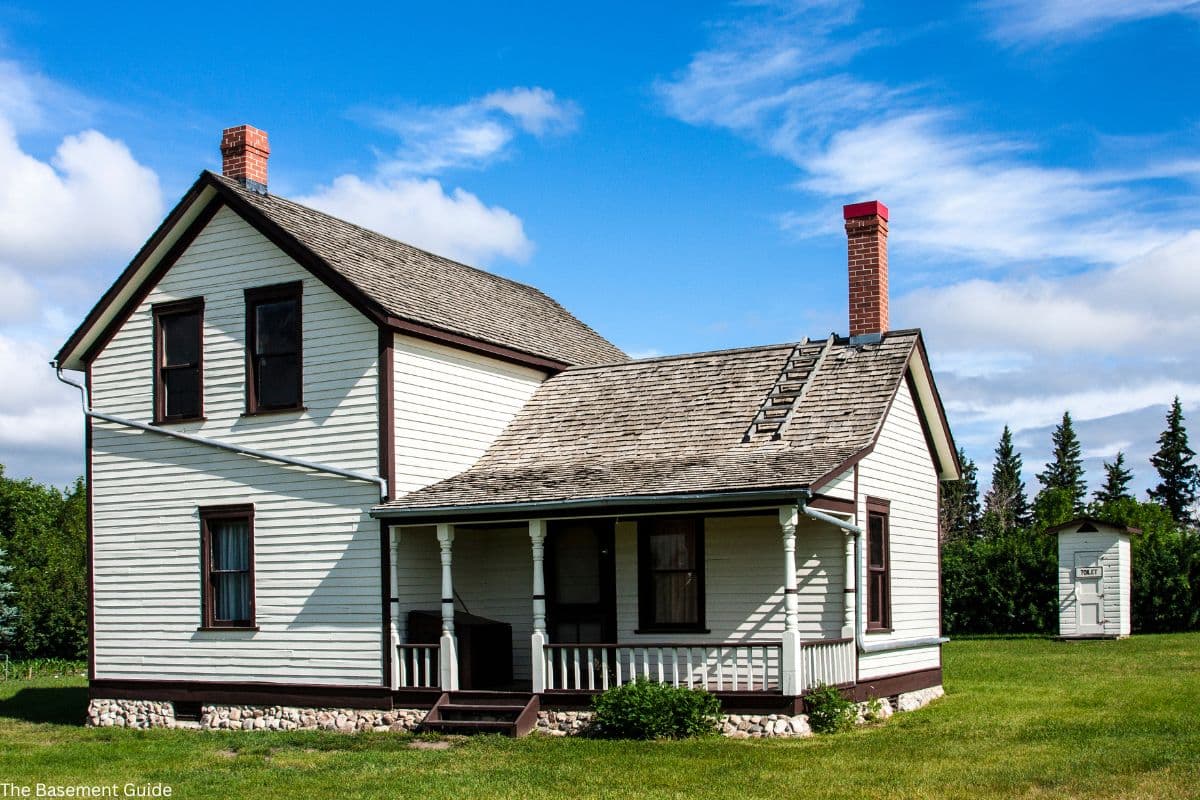
Renovating an old house basement requires a different mindset than working on newer construction. The goal is not to fight the original materials but to work with them. Whether your house dates from the 1800s with hand-laid stone foundations or the 1920s with brick or early cinder block, these spaces often hold surprising potential.
This guide pulls together building-science best practices, historic preservation principles, and lessons from hundreds of successful older-home projects to give you clear, actionable steps.
What Makes Basements in Old Houses Different
Homes built before World War II followed very different construction standards. Here is what typically sets them apart by era.
Pre-1900: Victorian, Colonial, Farmhouse
Fieldstone or rubble foundations with lime-based mortar. These walls are thick, often 18 to 24 inches, and surprisingly stable but highly porous.
1900 to 1930: Craftsman, Four-Square, Early Tudor
Brick or mixed stone-and-brick walls, sometimes with early poured concrete footings. Mortar is still lime-rich and breathable.
1930s to 1940s
Cinder block or early concrete block that is more uniform but still lacks modern damp-proofing.
Common traits across all eras include dirt or thin gravel floors, low or uneven ceiling heights (often 6 ft 4 in to 7 ft), minimal or no perimeter drainage, and grading that frequently directs water toward the house.
The Good News
These older foundations were built to last centuries when moisture is managed properly.
Hidden Opportunities Most People Miss
Old house basements often have advantages that newer ones lack.
- ✓Thick stone or brick walls provide natural thermal mass, helping stabilize temperatures once insulated.
- ✓Exposed ceiling joists or original beams can become beautiful design features in a finished space.
- ✓Original coal chutes or root cellars can be creatively repurposed as wine storage or built-in shelving.
- ✓The character of raw stone or brick can be left partially exposed as an accent wall, giving the basement a warmth that drywall alone cannot match.
Common Problems in Old House Basements
The biggest issues usually trace back to age and original construction methods.
Moisture and Efflorescence
White powdery deposits on walls signal ongoing water movement through porous masonry.
Crumbling Mortar and Spalling
Lime mortar erodes over decades. Stones or bricks can flake when water freezes inside them.
Settling and Foundation Cracks
Decades of soil movement create stepped cracks in stone walls or horizontal cracks in block.
Mold and Musty Air
Poor ventilation plus organic debris like old coal dust and wood scraps feeds mold growth.
Safety Concerns
Asbestos in old ceiling tiles or insulation, lead paint, radon, knob-and-tube wiring, and cast-iron drains that may be failing.
Quick Diagnostic Test
Tape clear plastic sheets to walls and floor for 48 to 72 hours. Condensation on the room side means interior humidity. On the concrete side means seepage.
Waterproofing an Old House Basement
Golden Rule for Historic Masonry
Let the walls breathe. Trapping moisture behind modern impermeable coatings can cause more damage than it prevents.
Essential First Steps (Do These Before Anything Else)
- 1Re-grade soil to slope away from the foundation.
- 2Extend downspouts and add splash blocks or buried extensions.
- 3Clear and improve window-well drainage.
Proven Methods for Older Foundations
Interior Perimeter French Drain with Dimple Mat
Collects water without sealing the masonry shut. The dimple mat creates an air gap on walls while directing water to perimeter drains.
Crystalline or Silicate Penetrating Sealers
React inside the pores to block liquid water while still allowing vapor transmission. Ideal for porous stone, brick, and early concrete.
Sump Pump with Battery Backup
A reliable discharge line is essential. Test it monthly and replace the battery every 3 to 5 years.
Exterior excavation and membrane installation can be ideal for severe cases but is often cost-prohibitive in tight older neighborhoods. Many successful projects combine modest exterior grading improvements with a robust interior drainage system.
Insulating an Old House Basement
Insulation transforms comfort levels, but the assembly must stay vapor-permeable.
Recommended Approach
- 1Clean walls thoroughly.
- 2Apply 1.5 to 2 inches of rigid XPS foam board directly to the masonry. Taped seams create an air barrier.
- 3Install furring strips over the foam for a service chase.
- 4Fill cavities with mineral wool if extra R-value is desired.
- 5Finish with mold-resistant drywall.
Rim joists and the floor above get the same rigid foam treatment. For the floor, use sleepers over rigid foam with a capillary break.
Never Do This
Never install fiberglass batts directly against old masonry. They hold moisture too easily.
Pro Tip
A properly sized dehumidifier running at 45 percent relative humidity or lower makes the biggest difference in how the space feels and performs.
Preserving Historic Character While Modernizing
One of the most rewarding parts of an old house basement renovation is keeping the soul of the space intact.
Exposed Accent Walls
Leave one stone or brick wall exposed and light it dramatically for stunning character.
Open-Beam Ceilings
Incorporate original ceiling joists into an open-beam design that celebrates the home's age.
Reclaimed Materials
Use reclaimed wood or period-style trim for built-ins that match the home's era.
Period Lighting
Choose fixtures that echo the home's era: cage lights, schoolhouse pendants, or industrial sconces.
Step-by-Step Renovation Process
- 1Thorough inspection and testing: moisture meter, radon, asbestos, and lead.
- 2Complete all exterior water management and structural repairs.
- 3Waterproof and insulate using breathable methods suited to historic masonry.
- 4Run mechanicals on the warm side of insulation.
- 5Frame, finish, and add proper egress where needed.
- 6Final lighting, flooring, and character details.
Budget for Surprises
Older homes almost always reveal something unexpected once walls or floors are opened. A 15 to 25 percent contingency is standard.
2026 Cost Overview for Old House Basement Projects
For a typical 800 to 1,000 sq ft space in a pre-1940 home:
Basic Waterproofing and Dehumidification
Drainage, sump pump, and humidity control
Full Moisture Control Plus Insulation
Waterproofing, insulation, and vapor management
Complete Finished Living Space
Including structural and hazard remediation
Expect Higher Costs Than Newer Homes
Costs run 25 to 50 percent higher than newer homes because of repairs to original materials and potential hazard abatement. A 15 to 25 percent contingency is standard.
DIY vs Professional Work in Older Homes
DIY-Friendly Tasks
- ✓Painting and basic cosmetic finishes
- ✓Installing floating floors
- ✓Basic dehumidifier setup
- ✓Exterior grading and gutter maintenance
Hire a Professional
- ×Drainage and waterproofing systems
- ×Structural repairs to walls or footings
- ×Electrical, plumbing, and HVAC
- ×Hazardous material removal (asbestos, lead)
Materials Commonly Used in Old House Basement Projects
These products appear frequently in successful older-home renovations and are available through major retailers.
Sump Pumps with Battery Backup
Reliable units for interior drainage in older foundations.
Crystalline Masonry Sealers
Penetrating treatments ideal for porous stone, brick, and early concrete.
Rigid Foam Insulation Boards
Moisture-resistant panels for direct application to historic walls.
Dimple Mat Drainage Membranes
Create air gaps on walls while directing water to perimeter drains.
High-Capacity Basement Dehumidifiers
Sized for the square footage to maintain proper humidity.
French Drain Kits and Perforated Pipe
Tailored for uneven older floors and foundations.
Maintenance Tips for Long-Term Success
- ✓Test the sump pump twice a year and replace the battery every 3 to 5 years.
- ✓Keep gutters clean and grading intact.
- ✓Monitor humidity seasonally with a digital hygrometer.
- ✓Walk the space each spring, looking for new efflorescence or cracks.
Frequently Asked Questions
Can you safely finish a basement in a 100-year-old house?
Yes. Thousands of pre-1940 homes now have comfortable finished basements once moisture and structure are properly addressed.
How do you waterproof a stone or brick foundation without trapping moisture?
Use interior drainage plus breathable crystalline sealers. Never apply a full vapor barrier directly to the masonry.
Is it worth exposing the original stone or brick walls?
Many owners say the character walls become their favorite feature of the entire renovation.
What about low ceilings in old basements?
Strategic lighting, painted ceilings, and creative flooring choices make 6 ft 6 in feel surprisingly spacious.
Will renovating an old house basement increase home value?
It can be significant, especially when the finished space respects the home's historic character. See our waterproofing and home value guide for details.