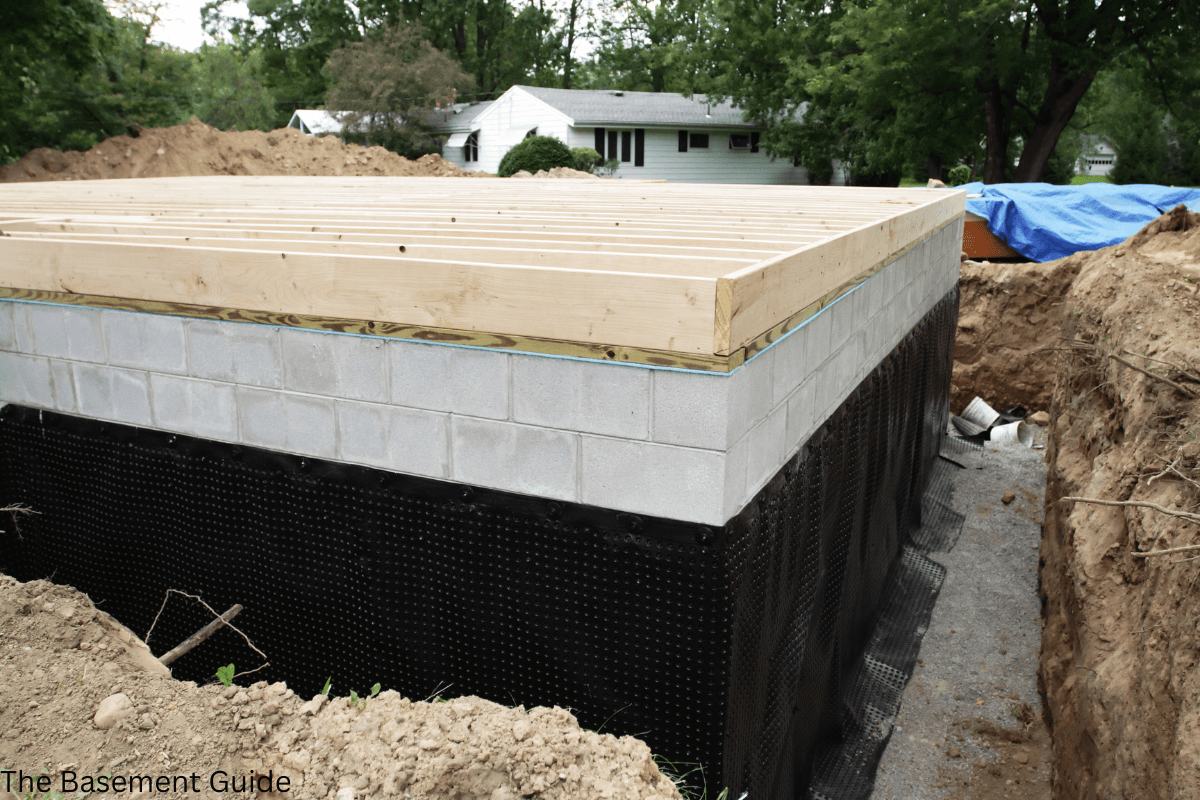
Interior vs. Exterior
Waterproofing 2026
Stopping water vs. managing it. Real 2026 pricing, detailed methods, and clear factors to help you decide which approach protects your basement.
Quick Answer
Interior waterproofing costs $3,000 to $10,000 and manages water from inside the basement. Exterior waterproofing costs $7,000 to $18,000 and prevents water from reaching the foundation in the first place.
Interior systems install in 1 to 5 days with low disruption. Exterior requires full excavation over 5 to 14 days. Many homes benefit from a hybrid approach combining both.
The interior versus exterior waterproofing decision is not a question of which method is better in absolute terms but rather which method is appropriate for a specific combination of water source, foundation condition, budget, and site constraints. Interior systems work with water by intercepting it and routing it out before it can spread across the floor; exterior systems work against water by creating a barrier that prevents it from reaching the foundation wall at all. Three factors determine which approach is right for a given home: the severity and source of the water intrusion (condensation versus active seepage versus high water table), whether the foundation has structural damage that must be addressed from the outside, and whether exterior excavation is physically possible given the site conditions (neighboring structures, finished hardscaping, utilities). For the majority of existing homes with manageable seepage and no structural damage, interior systems deliver sufficient protection at a fraction of the cost. Exterior systems are warranted when interior methods have repeatedly failed, when structural damage requires outside access, or when maximum long-term protection is the priority during new construction.
Interior basement waterproofing manages water after it enters, while exterior basement waterproofing stops water before it reaches the foundation. In 2026, with more frequent heavy rains in many areas, choosing the right method protects your foundation, prevents mold, and maintains usable space. For a comprehensive overview of all waterproofing methods, see our complete basement waterproofing guide.
Why Basement Waterproofing Matters in 2026
Water intrusion causes mold, musty odors, damaged belongings, weakened concrete, and lower home value. Effective basement waterproofing delivers reliable protection across four critical outcomes.
Dry, Comfortable Space
Year-round usable square footage free from dampness, puddles, and water damage. A dry basement is a prerequisite for finishing your basement into living space.
Reduced Mold & Mildew
Eliminating moisture sources stops mold growth before it starts, protecting indoor air quality throughout the entire home. See our how to prevent basement mold guide.
Foundation Protection
Prevents cracks, erosion, and structural weakening caused by water pressure. Unchecked hydrostatic pressure leads to bowing walls and progressive structural damage.
Higher Home Value
A dry basement with documented waterproofing increases appraisal value and buyer confidence. See our homebuyers basement inspection checklist for what buyers and inspectors look for.
The Science of Basement Water
Hydrostatic Pressure Explained
Concrete foundations sit against cool, often saturated soil. When rain or snowmelt raises groundwater levels, the weight of that water creates hydrostatic pressure against walls and floors. A single cubic foot of saturated soil can weigh over 120 pounds, forcing water through tiny cracks, pores, or joints.
Building Science Corporation guidance stresses managing this pressure through drainage rather than perfect sealing, since no barrier stays 100 percent watertight forever. Exterior approaches keep water away from the foundation, while interior systems channel any water that reaches the walls to a collection point.
Identifying Your Water Source
The right system starts with identifying where your water is coming from. Common causes include:
- •Surface runoff: Poor grading directs rainwater toward the foundation instead of away from it.
- •Poor grading: Soil slopes toward the house, funneling water against basement walls.
- •High water table: Groundwater rises seasonally and pushes up through the floor slab and wall joints. See our water coming up through basement floor guide.
- •Foundation cracks: Settling, shrinkage, or structural cracks allow direct water entry.
For a diagnostic approach to identifying your specific water entry points, see our wet basement walls guide.
Interior Basement Waterproofing
Managing Water From Inside
Interior basement waterproofing works inside the space and avoids yard excavation. It is the most common option for existing homes with minor to moderate seepage. These systems install in 1 to 5 days with limited disruption to daily life.
Interior Waterproofing Methods
- ✓Interior French drain (perimeter drain): Perforated pipe installed along the interior perimeter beneath the basement floor collects water and directs it to a sump pump. This is the standard professional solution for most wet basements.
- ✓Sump pump and basin: Removes collected water from the drainage system and ejects it outside the home. Battery backup is essential for power outage protection during storms.
- ✓Crack injection: Epoxy or polyurethane fills active leaks in poured concrete walls. Epoxy restores structural strength for stable cracks. Polyurethane creates a flexible seal for cracks that may still move slightly.
- ✓Wall coatings and sealers: Crystalline or silicate products penetrate concrete to reduce moisture passage. Waterproof paints like DRYLOK or RadonSeal provide surface-level moisture resistance.
- ✓Vapor barriers and dimple mats: Heavy-duty polyethylene sheeting or dimple mat membranes installed on basement walls create an air gap and drainage plane that captures wall moisture and directs it into the drainage system. Essential before finishing a basement with drywall.
Interior Advantages
- + Usually one-third the cost of exterior
- + Landscaping stays completely untouched
- + Installation takes 1 to 5 days
- + Work can be done year-round regardless of weather
Interior Disadvantages
- – Water still contacts and passes through the foundation walls
- – Jackhammering the basement floor creates dust and noise
- – System is reliant on sump pump operating correctly
- – Does not address exterior causes like poor grading or gutter problems
Exterior Basement Waterproofing
Preventing Water at the Source
Exterior basement waterproofing excavates around the foundation to apply barriers and drainage before water arrives. It offers longer-term protection but involves more work and cost. Full exterior work typically takes 5 to 14 days and requires landscaping restoration afterward.
Exterior Waterproofing Process
- 1. Excavation to the foundation footer (8 to 10 feet deep).
- 2. Cleaning, power-washing, and crack repair with epoxy or polyurethane.
- 3. Application of waterproof membranes (rubberized asphalt or polymer).
- 4. Installation of exterior French drains and drainage mats at footing level.
- 5. Backfilling with gravel and re-grading the yard for proper drainage slope.
Exterior Waterproofing Membrane Comparison (2026)
| Membrane Type | How It Works | Cost/SqFt |
|---|---|---|
| Sheet Membranes | Pre-formed sheets applied to cleaned walls. Consistent thickness and quick installation. | $3 to $7 |
| Liquid-Applied | Sprayed or rolled onto walls. Creates seamless coverage that bonds directly to concrete. | $3 to $6 |
| Cementitious | Cement-based coating that bonds to damp concrete. Easy to apply but less flexible than other options. | $2 to $5 |
| Crystalline | Chemical treatment that forms crystals within concrete pores. Self-healing properties for small future cracks. | $4 to $8 |
For more on crystalline products specifically, see our crystalline waterproofing guide.
Exterior Advantages
- + Prevents water from ever reaching the foundation wall
- + Longest lifespan of any waterproofing method (20 to 50 years)
- + Addresses root causes like grading, soil saturation, and drainage
- + Protects the foundation from freeze-thaw damage
- + Adds to home resale value
Exterior Disadvantages
- – Two to three times more expensive than interior ($7,000 to $18,000+)
- – Major yard and landscaping disruption that requires restoration
- – Weather-dependent scheduling
- – Not always physically possible due to neighboring structures, utility lines, or zero-lot-line construction
Interior vs Exterior Waterproofing Side-by-Side Comparison
| Aspect | Interior Waterproofing | Exterior Waterproofing |
|---|---|---|
| Average cost (2026) | $3,000 to $10,000 | $7,000 to $18,000 |
| Installation time | 1 to 5 days | 5 to 14 days |
| Disruption level | Low to moderate (indoor work only) | High (full excavation and yard restoration) |
| How it works | Manages water after it enters the basement | Prevents water from reaching the foundation |
| Lifespan | 15 to 30 years with maintenance | 20 to 50 years |
| Best for | Minor to moderate seepage, tight budgets, finished basements, limited yard access | Severe groundwater problems, new construction, long-term protection, structural damage |
| Sump pump required | Yes | Sometimes (depends on water table and drainage design) |
| Yard impact | None | Significant (landscaping, patios, walkways may need restoration) |
See It In Action
Interior vs. Exterior Waterproofing Video
For a clear visual breakdown of how both systems actually work in real homes, watch this helpful 7-minute video that directly compares interior and exterior basement waterproofing.
2026 Basement Waterproofing Cost Breakdown
National Averages for a Typical 1,000-Square-Foot Basement
| System Type | Cost Range | Most Common Range |
|---|---|---|
| Interior (sump pump + perimeter drain) | $3,000 to $10,000 | $4,000 to $8,000 |
| Exterior (excavation + membrane + drain) | $7,000 to $18,000 | $10,000 to $15,000 |
| Hybrid (both systems combined) | $8,000 to $20,000 | $12,000 to $18,000 |
| Interior drainage per linear foot | $40 to $85/ft | $50 to $70/ft |
Cost Factors
Prices increase with clay soil, deep footings, high water tables, and added mold remediation. For complete pricing breakdowns, see our basement waterproofing cost guide. For financing options, see our waterproofing finances, insurance, and taxes guide.
When to Choose Interior vs. Exterior Waterproofing
Decision Framework Based on Your Situation
Choose Interior When...
- 1.You have minor dampness, seepage, or condensation issues
- 2.Your budget is under $10,000
- 3.You live in a finished neighborhood with limited yard access or structures close to the foundation
- 4.Your home has a finished basement you want to protect without tearing up landscaping
- 5.You need a fast solution (1 to 5 days)
Choose Exterior When...
- 1.You have severe or recurring flooding that interior systems have not resolved
- 2.Your foundation shows structural cracks or bowing walls that need exterior access to repair
- 3.You are building a new home or already excavating for another reason
- 4.You have a high water table or clay-heavy soil that creates persistent hydrostatic pressure
- 5.You want maximum long-term protection (20 to 50 years)
When to Consider a Hybrid Approach
Many homes with moderate to severe water problems benefit from combining interior drainage to manage water that reaches the basement with targeted exterior waterproofing to reduce the volume of water reaching the foundation in the worst areas. A hybrid approach is especially common when one or two walls face a slope or have poor drainage while the remaining walls are relatively dry.
Both interior drainage and exterior excavation have wide cost ranges depending on basement size, severity, and finish level. For a planning estimate based on your specific situation, use our waterproofing cost calculator. The tool factors in project scope (interior drainage versus exterior excavation) as one of its key inputs.
DIY vs. Professional Waterproofing
What You Can Handle Yourself and When to Hire a Pro
Some interior waterproofing tasks are manageable for experienced DIYers, but most exterior work and any project involving structural components should be left to licensed professionals. For a broader breakdown, see our DIY vs hiring a pro guide.
| Task | DIY Feasibility | Notes |
|---|---|---|
| Crack injection (epoxy/urethane) | DIY Possible | Kits available for $30 to $80 per crack |
| Interior sealant application | DIY Possible | Products like DRYLOK cost $30 to $50 per 5-gallon pail |
| Dehumidifier installation | DIY Possible | Plug-and-play for most units. See our best dehumidifiers guide. |
| Grading and downspout extensions | DIY Possible | Often under $500 in materials. One of the most impactful DIY improvements. |
| Perimeter drain system | Hire a Pro | Requires jackhammering concrete, proper slope engineering, and sump pump integration |
| Sump pump installation | Advanced DIY | Pit digging is doable but plumbing and electrical connections should be inspected |
| Exterior excavation and membrane | Hire a Pro | Dangerous without proper equipment. Requires permits, heavy equipment, and inspection. |
Common Waterproofing Mistakes to Avoid
Costly Errors Homeowners Make When Waterproofing Their Basement
These are the most frequent mistakes we see homeowners and even some contractors make when approaching basement waterproofing projects. Avoiding these pitfalls can save you thousands of dollars and years of headaches.
Mistake #1: Applying Paint-On Sealers as a Permanent Fix
Waterproof coatings like DRYLOK can manage minor dampness but will not stop active water intrusion. They can actually trap moisture inside walls and cause paint to peel or bubble over time. Sealers are a supplement to drainage, not a replacement for it.
Mistake #2: Ignoring Grading and Gutters
No waterproofing system will be fully effective if surface water is directed toward your foundation. Proper grading (6 inches of slope over 10 feet) and functioning gutters should always come first. These are often the cheapest fixes with the biggest impact.
Mistake #3: Choosing Based on Price Alone
The cheapest waterproofing bid often cuts corners on materials, drainage slope, or sump pump capacity. An underperforming system can lead to repeated failures and greater expense long-term. Get at least three quotes and evaluate the proposed solution, not just the price. See our how to hire a waterproofing contractor guide.
Mistake #4: Skipping the Sump Pump in an Interior System
A perimeter drain without a sump pump has no way to move water out of the basement. Every interior waterproofing system should include a properly sized sump pump with battery backup. See our sump pump buying guide.
Mistake #5: Not Getting Multiple Quotes
Waterproofing pricing varies widely between contractors. Always get 3 or more written quotes, and be cautious of companies that pressure you into signing during the first visit.
Mistake #6: Failing to Address Humidity After Waterproofing
Even after stopping water intrusion, basement humidity can stay above 60 percent and encourage mold. A quality dehumidifier is a critical companion to any waterproofing solution.
Recommended Waterproofing Products
Our Top Picks for DIY and Professional Waterproofing
These products are consistently recommended by waterproofing professionals and highly rated by homeowners. We have selected items that cover the most common DIY and supplemental waterproofing needs.
Zoeller M53 Mighty-Mate Sump Pump
1/3 HP submersible sump pump trusted by contractors nationwide. Handles up to 43 GPM at 5-foot head.
Check Price on Amazon →Wayne ESP25 Battery Backup Sump Pump
Reliable battery backup system that activates during power outages. Up to 10 hours of backup pumping.
Check Price on Amazon →Frigidaire 50-Pint Dehumidifier
Energy Star rated dehumidifier ideal for basements up to 1,500 sq ft. Continuous drain option included.
Check Price on Amazon →RadonSeal Concrete Foundation Crack Repair Kit
Professional-grade polyurethane injection kit for foundation crack repair. Expands to fill entire crack.
Check Price on Amazon →DRYLOK Extreme Masonry Waterproofer
Industry-standard basement wall sealant. Withstands 15 PSI of hydrostatic pressure. Ideal for minor seepage.
Check Price on Amazon →Hydraulic Cement by Quikrete
Fast-setting hydraulic cement that stops active water leaks in 3 to 5 minutes. Perfect for emergency crack repair.
Check Price on Amazon →NDS 4-Inch Corrugated Drain Pipe (100ft)
Professional-grade corrugated drain pipe with pre-installed sock filter. Ideal for exterior French drain installations.
Check Price on Amazon →Govee WiFi Water Leak Detector (3-Pack)
Smart water leak sensors with WiFi alerts. Place near sump pit, water heater, and problem areas for 24/7 monitoring.
Check Price on Amazon →As an Amazon Associate, we earn from qualifying purchases. Product prices and availability are subject to change.
Basement Waterproofing Maintenance Checklist
Keep Your System Working for Decades
Even the best waterproofing system requires periodic maintenance to keep performing.
Monthly Tasks
- ✓Test sump pump by pouring water into the pit
- ✓Check battery backup charge level
- ✓Inspect basement walls for new cracks or moisture
- ✓Empty and clean dehumidifier if not on continuous drain
Seasonal Tasks (Spring and Fall)
- ✓Clean gutters and extend downspouts 6 or more feet from the foundation
- ✓Verify grading slopes away from the house (6 inches over 10 feet)
- ✓Inspect sump pump discharge line for clogs or ice
- ✓Check window wells for debris and proper drainage
Annual Tasks
- ✓Schedule professional sump pump inspection and cleaning
- ✓Replace battery backup every 3 to 5 years
- ✓Reapply interior sealant if original coating shows wear
- ✓Inspect exterior drainage outlets and grade level
Warning Signs That Need Immediate Attention
- ⚠Musty or damp smell returning to the basement
- ⚠White mineral deposits (efflorescence) appearing on walls
- ⚠Sump pump running more frequently than usual
- ⚠New cracks appearing in foundation walls or floor
For a complete seasonal schedule, see our spring basement checklist.
Interior vs Exterior: Decision Guide by Situation
| Your Situation | Recommended Approach | Reason |
|---|---|---|
| Minor dampness or condensation, no standing water | Interior sealer plus dehumidifier | Active drainage system not needed for condensation-only problems |
| Recurring water at cove joint or through floor | Interior drain tile system with sump pump | Cove joint intrusion is the core use case for interior drainage |
| Water entering through a specific wall crack | Crack injection, then monitor | Address the specific entry point before committing to a full system |
| Chronic seepage through wall face, no bowing | Interior drain tile system | Wall face seepage is manageable with interior drainage at low cost |
| Bowing walls with horizontal cracks | Structural repair first, then interior or exterior waterproofing | Structural issues must be addressed before waterproofing is effective |
| Severe or recurring flooding despite existing interior system | Exterior membrane on worst wall sections plus system review | Interior system may be undersized or drainage may be failing |
| High water table causing floor uplift | Interior drain tile system with high-capacity sump | Interior drainage relieves sub-slab pressure at lower cost than exterior |
| New construction, exterior already exposed | Exterior membrane and footing drain during build | Least expensive time to do exterior work, most comprehensive result |
| Planning to finish basement, no water history | Interior sealer, verify dry for one full season | Confirm dry conditions before installing any organic finishing materials |
| Exterior access blocked by deck, addition, or hardscaping | Interior drain tile system | Exterior excavation not physically possible without destroying structure above |
| Budget under $5,000 | Interior drain tile system or crack injection | Exterior waterproofing not achievable at this budget for most homes |
| Buying a home with unknown water history | Professional inspection before deciding | Do not commit to a system without diagnosing the water source first |
| Basement has been remediated and waterproofed, water returning | Hybrid system evaluation | Returning water after proper waterproofing suggests new entry pathway or drainage failure |
Frequently Asked Questions About Interior vs Exterior Waterproofing
Which is better, interior or exterior basement waterproofing?
Neither is universally better; the right choice depends on your specific water problem, foundation condition, budget, and site constraints. Exterior waterproofing prevents water from ever contacting the foundation wall, which is the most complete theoretical solution and the only method the International Building Code recognizes as fully adequate for structural protection. However, interior drainage systems are highly effective for the vast majority of existing homes, cost significantly less ($3,000 to $10,000 versus $7,000 to $18,000), and are serviceable and warrantied for 25 years or more if something goes wrong. For severe groundwater problems, structural foundation damage, or new construction where the exterior is already exposed, exterior waterproofing is the appropriate choice. For most existing homes with manageable seepage and sound foundation walls, interior systems deliver reliable protection without the cost and disruption of full excavation. See our complete basement waterproofing guide for the full framework for diagnosing which approach fits your situation.
How much does basement waterproofing cost in 2026?
Interior waterproofing costs $3,000 to $10,000 for a typical residential system, with the most common installed price for a complete interior drain tile system with sump pump falling between $4,000 and $8,000 for a standard basement. Exterior waterproofing costs $7,000 to $18,000 with most jobs in the $10,000 to $15,000 range, primarily because excavation labor accounts for a large portion of the total cost regardless of the membrane material used. Hybrid systems combining interior drainage with exterior membrane work on the most problematic wall sections typically run $8,000 to $20,000. Costs increase with clay soil that is harder to excavate, deep footings that require more excavation depth, high water tables that complicate drainage work, and any mold remediation that must be completed before waterproofing can proceed. The cost per linear foot of drainage channel runs $20 to $35 for interior systems and $30 to $90 for exterior French drain installation. See our basement waterproofing cost guide for a full breakdown by method and basement size.
Can I waterproof my basement myself?
Some interior waterproofing tasks are manageable for experienced DIYers, but most drainage system work and all exterior waterproofing should be done by licensed professionals for safety, performance, and warranty coverage. DIY-appropriate tasks include applying interior sealants like DRYLOK ($30 to $50 per pail), injecting small cracks with epoxy or polyurethane kits ($30 to $80 per crack), installing a dehumidifier, and extending downspouts away from the foundation. Perimeter drain tile systems require jackhammering the concrete floor, excavating a trench at the correct slope, laying perforated pipe properly, and integrating it with a sump pit, all of which require specific skills and tools that most homeowners do not have. Exterior waterproofing involves excavating 8 to 10 feet deep along the foundation perimeter, which is dangerous without proper shoring and requires permits and equipment that make it impractical as a DIY project. Any task involving structural repairs such as crack injection under pressure, wall anchors, or carbon fiber reinforcement should always be left to a professional. See our DIY vs hiring a pro guide for a full breakdown of which waterproofing tasks fall within DIY capability.
How long does basement waterproofing last?
Interior drain tile systems last 25 to 30 years or more with proper maintenance, including annual sump pump testing, battery backup replacement every 3 to 5 years, and periodic inspection of the drain channel for debris accumulation. Exterior waterproofing membranes last 20 to 50 years depending on the membrane type: rubberized asphalt and liquid-applied polyurethane membranes typically last 20 to 30 years, while crystalline treatments that become part of the concrete matrix can last the lifetime of the structure. Interior sealants and paint-on coatings have the shortest lifespan at 5 to 10 years, and their effectiveness diminishes as concrete continues to move and new micro-cracks form. Sump pumps themselves should be replaced every 7 to 10 years depending on usage, and battery backups require replacement every 3 to 5 years to maintain reliable performance during power outages. The factor most affecting system longevity is pairing any waterproofing method with proper exterior drainage maintenance, because even the best interior system is under greater stress when poor grading, clogged gutters, and missing downspout extensions are directing extra water toward the foundation.
Does waterproofing increase home value?
Yes, documented waterproofing consistently improves home value and marketability, particularly in regions where basement water problems are common and buyers are aware of the risk. Real estate appraisers report that professional waterproofing with transferable warranties can increase appraised value by 5 to 15 percent compared to a comparable home with an undocumented or problematic basement. The effect is most pronounced when waterproofing documentation is provided during the sale, including contractor warranties, inspection reports, and maintenance records that demonstrate the system has been functioning. Conversely, a basement with any history of water problems that has not been documented and remediated can reduce sale price by $10,000 to $25,000 and significantly extend time on market, as buyers and their lenders treat undocumented water history as a material risk. A transferable warranty from a reputable waterproofing contractor is one of the most valuable documents a seller can provide during a real estate transaction. See our waterproofing and home appraisal value guide for data on how waterproofing documentation affects appraised outcomes.
What is the best time of year to waterproof a basement?
Late spring through early fall is the ideal window for exterior waterproofing because dry ground conditions make excavation safer, easier, and less likely to require emergency shoring against saturated soil collapse. Frozen ground makes exterior excavation impossible in most climates, and actively saturated soil from spring snowmelt or heavy rain creates unstable trench conditions that increase cost and safety risk. Interior waterproofing systems can be installed year-round because the work takes place inside the basement, is not weather-dependent, and in fact many homeowners choose to do interior work in late fall or winter when contractor schedules are less compressed and pricing may be more negotiable. The one exception is interior work in extreme cold climates where the jackhammered concrete must be protected from freezing before new concrete is poured over the drain channel, which adds a minor scheduling consideration in northern states. Regardless of season, do not delay addressing an active water problem because water damage, mold growth, and structural deterioration continue year-round and worsen with each wet season that passes without treatment.
Glossary
Interior drain tile system
A perimeter drainage channel installed beneath the basement floor along the base of the foundation walls, consisting of a jackhammered trench, perforated drain pipe surrounded by gravel, and a connection to a sump pit that pumps collected water out of the basement. Interior drain tile systems are the most widely installed professional waterproofing solution for existing homes because they manage hydrostatic pressure effectively by giving water a controlled exit route rather than attempting to block it under pressure. A complete system with sump pump typically costs $3,000 to $10,000 and is warrantied for 25 years or more by most reputable contractors. See our French drain cost guide for detailed pricing by system configuration and linear footage.
Exterior waterproofing membrane
A waterproof coating or sheet material applied to the outside face of the foundation wall below grade after excavating the surrounding soil down to the footing, creating a barrier that prevents water from contacting the concrete. Options include rubberized asphalt membranes, liquid-applied polyurethane coatings, bentonite clay panels, and thermoplastic or PVC sheet membranes, each with different installation requirements, flexibility, and longevity. Exterior membranes are the only waterproofing approach recognized by the International Building Code as fully adequate for structural protection, but the excavation required makes them cost $7,000 to $18,000 for most residential applications. See our complete basement waterproofing guide for when exterior membranes are warranted versus interior systems.
Hydrostatic pressure
The lateral and upward force exerted by water-saturated soil against a foundation wall or floor, which increases with soil moisture content, soil density, and the depth of the foundation below grade. A single cubic foot of saturated soil can weigh over 120 pounds, and this pressure is transmitted horizontally against basement walls and upward against the floor slab through every available pathway including cracks, joints, and porous concrete. Interior waterproofing systems manage hydrostatic pressure by intercepting water as it enters; exterior systems reduce it by keeping the soil adjacent to the foundation drier through drainage and membrane protection. See our bowing basement walls guide for how sustained hydrostatic pressure eventually causes structural wall movement.
Sump pump
An electrically powered pump installed in a pit at the lowest point of the basement floor that automatically activates when the collected water level reaches a set threshold, pumping water through a discharge pipe to a location well away from the foundation. Sump pumps are the active mechanical component of any interior waterproofing system and must be paired with a battery backup unit because power outages occur most frequently during the storms that generate the most water. Pumps should be tested annually by pouring water into the pit, and replacement is typically needed every 7 to 10 years depending on usage frequency and model quality. See our sump pump buying guide and backup power for sump pumps guide for selection guidance.
Hybrid waterproofing system
A combined approach that uses both interior drainage and exterior membrane work, typically applied when interior methods alone have not fully resolved a severe water problem or when certain wall sections require exterior access for structural repair alongside waterproofing. Hybrid systems cost $8,000 to $20,000 and provide the comprehensive protection of exterior work on the most problematic areas while managing residual water entry through interior drainage. They are most common in homes with high water tables where exterior drainage relieves pressure and interior drainage catches what remains, or in homes where bowing walls require exterior anchor installation alongside interior water management.
Dimple mat (drainage mat)
A sheet of high-density polyethylene with a studded or dimpled profile installed on the interior face of basement walls before finishing, creating an air gap between the concrete and the finished wall surface that channels any water weeping through the wall downward into the floor drain system rather than allowing it to contact drywall or insulation. Dimple mats are an alternative to vapor barriers in interior waterproofing systems and are preferred in basements where the wall continues to weep water despite other waterproofing measures, because they allow the concrete to breathe while keeping finished surfaces dry. They typically cost $0.50 to $1.50 per square foot in materials and are installed as part of a complete interior waterproofing and finishing package.
Crystalline waterproofing
A chemical waterproofing technology in which active compounds penetrate concrete and react with water and cement particles to form insoluble crystals within the pores and micro-cracks, sealing the concrete from within rather than creating a surface barrier that can crack or peel. Crystalline treatment becomes a permanent part of the concrete matrix and has the ability to self-seal new micro-cracks that form over time as the concrete continues to cure and move, which is why it is used in commercial applications including tunnels, water treatment facilities, and below-grade parking structures. For residential applications, crystalline products are most effective as a surface treatment for sound concrete walls with minor vapor transmission rather than as a standalone fix for walls under active hydrostatic pressure. See our crystalline waterproofing guide for a full breakdown of applications and limitations.
Cove joint
The seam between the basement floor slab and the foundation wall where water most commonly enters during hydrostatic pressure events, because the floor and walls are poured at different times and are not structurally bonded or sealed at this joint. Interior drain tile systems are installed at or near the cove joint specifically to intercept water at this entry point before it can spread across the floor surface. Attempts to permanently seal the cove joint against sustained hydrostatic pressure consistently fail because the pressure simply finds new pathways through the floor or lower wall sections.
Final Thoughts
There is no single right answer for every home. Interior waterproofing is a cost-effective and proven solution for most basements with mild to moderate water issues. Exterior waterproofing is the definitive defense for homes facing persistent groundwater pressure, structural concerns, or long-term investment goals.
In many cases, a hybrid approach that combines interior drainage and sump pumps with targeted exterior repairs delivers the best results. Whatever path you choose, the most important step is acting before water damage escalates into costly mold remediation or structural foundation repair.
Related Guides
On thebasement.guide
Complete Basement Waterproofing Guide
The foundational reference covering every waterproofing method, water source diagnosis, DIY versus professional guidance, and the full decision framework for choosing the right approach for your basement.
Basement Waterproofing Cost 2026
Complete pricing for every waterproofing method from DIY sealers to full exterior excavation, with cost ranges by basement size and system complexity.
French Drain Cost 2026
What interior and exterior French drain installation costs by linear footage and system configuration, the primary pricing reference for the most commonly installed professional waterproofing solution.
Sump Pump Buying Guide
How to choose the right sump pump for your interior waterproofing system, including submersible versus pedestal, sizing by flow rate, and the features that matter for long-term reliability.
Backup Power for Sump Pumps
Why battery backup sump pumps are non-negotiable for any interior waterproofing system and how to choose between battery and water-powered backup options.
Types of Foundation Cracks
How to identify foundation crack types and determine whether crack injection alone is sufficient or whether a full drainage system is needed alongside crack repair.
Foundation Crack Repair Cost 2026
Pricing for professional epoxy and polyurethane crack injection, relevant for budgeting crack sealing as the first step in any waterproofing program.
Bowing Basement Walls
How hydrostatic pressure causes structural wall movement and why bowing walls must be repaired before any waterproofing system is installed.
Crystalline Waterproofing
A detailed explanation of crystalline waterproofing technology, how it compares to membrane and drainage systems, and where it fits into an integrated waterproofing approach.
Waterproof Basement Paint and Sealers
What interior concrete sealers can and cannot do, and how they fit as a first layer in a complete waterproofing system rather than a standalone fix.
DRYLOK vs RadonSeal
A head-to-head comparison of the two most widely used interior concrete sealers for minor vapor transmission reduction, with honest guidance on their limitations.
How to Prevent Basement Mold
The mold prevention program that a properly installed waterproofing system enables, covering humidity control, air circulation, and monitoring practices.
Mold Remediation Cost 2026
What professional mold remediation costs when waterproofing has been deferred long enough for mold to establish, the most common expensive consequence of delayed treatment.
How to Hire a Basement Waterproofing Contractor
How to find, vet, and compare waterproofing contractors, questions to ask, red flags to avoid, and what a good warranty looks like for both interior and exterior systems.
Waterproofing and Home Appraisal Value
How documented waterproofing with warranties affects appraised value and buyer confidence during a home sale.
Homebuyer's Basement Inspection Checklist
How to evaluate a basement's waterproofing status when buying a home, including what documentation to request and how to negotiate for water history.
Radon and Basement Waterproofing
How the sealing work in both interior and exterior waterproofing systems reduces radon entry pathways alongside moisture control.
DIY vs Hiring a Pro for Basement Projects
A full breakdown of which waterproofing tasks fall within DIY capability and which require professional installation for safety and warranty coverage.
From Our Network
Septic Overflow After Rain
The same heavy rain events that drive hydrostatic pressure against basement walls also trigger septic system overflow on rural properties. This guide covers the septic side of rain-related below-grade water management.
Does Homeowners Insurance Cover Septic Repair?
For homeowners managing both basement waterproofing and septic system concerns, this guide covers how insurance treats septic failures alongside the waterproofing coverage limitations described in this article.
External Resource
Get a Professional Assessment
Compare estimates from local waterproofing experts to find the right solution for your specific foundation.