Epoxy vs Polyurethane
Floor Coating
Which one should you choose for your basement, garage, or commercial space? A clear, no-hype breakdown of both options.
The Basement Guide Staff
Published Mar 2026 · 15 min read
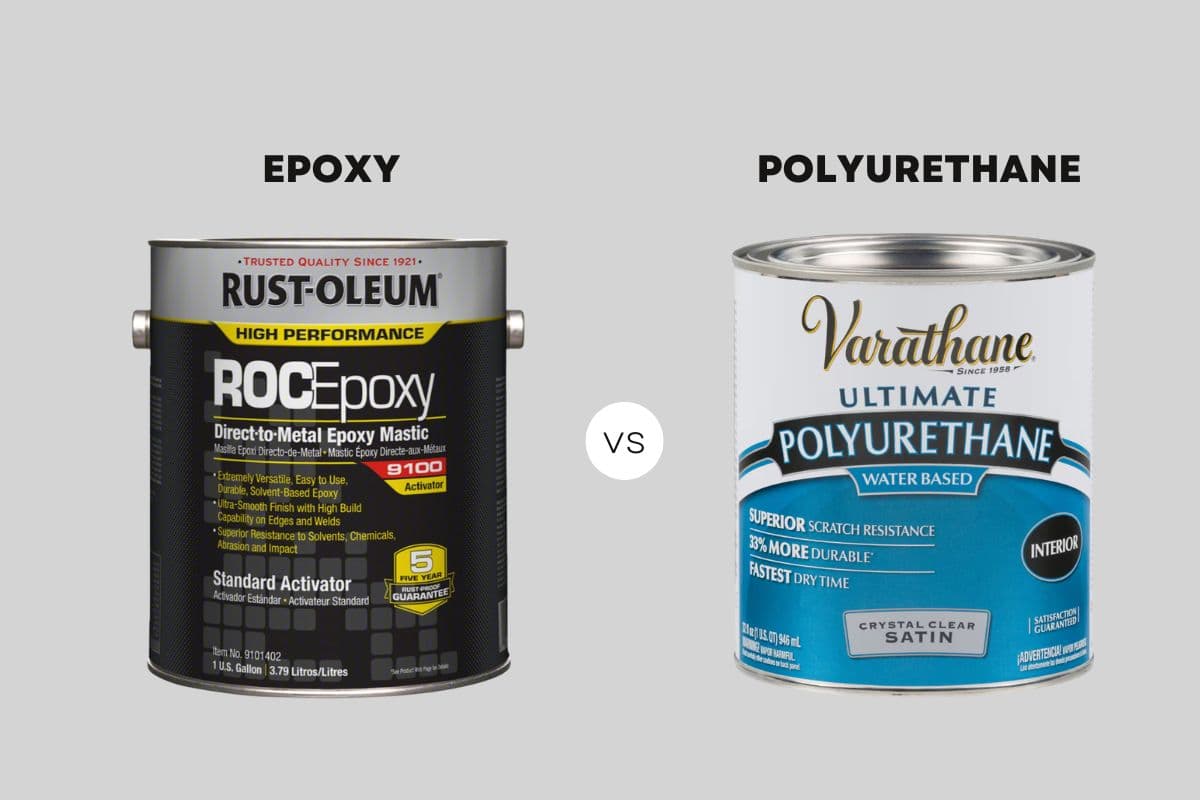
If you are looking at a tired garage floor, basement slab, or commercial space that needs a serious upgrade, epoxy and polyurethane are the two names that keep coming up. Both transform plain concrete into a tough, good-looking, easy-to-clean surface, but they are built for different jobs.
This guide breaks down manufacturer specs, installer case studies, and 2026 cost reports so you can make the right call and avoid peeling or fading down the road.
What Is Epoxy Floor Coating?
Epoxy is a two-part resin (resin + hardener) that cures into a rock-hard, glossy layer chemically bonded to concrete. It has been the garage and warehouse standard for decades. You will find water-based (DIY-friendly), solvent-based, and 100% solids (thickest and strongest) versions.
Pros of Epoxy
- + Exceptional hardness and compressive strength for heavy loads and impacts
- + Beautiful high-gloss finish with endless color, flake, and metallic options
- + Outstanding chemical and stain resistance for garages and workshops
- + Lower upfront material cost, budget-friendly for larger areas
- + Can last 10–20 years indoors with proper prep
Cons of Epoxy
- − Rigid and brittle, can crack or chip if concrete moves
- − Poor UV resistance – yellows or chalks in sunlight
- − Long cure time (3–7 days before full use)
- − Can be slippery when wet unless you add grit
- − Demands flawless surface prep or it peels
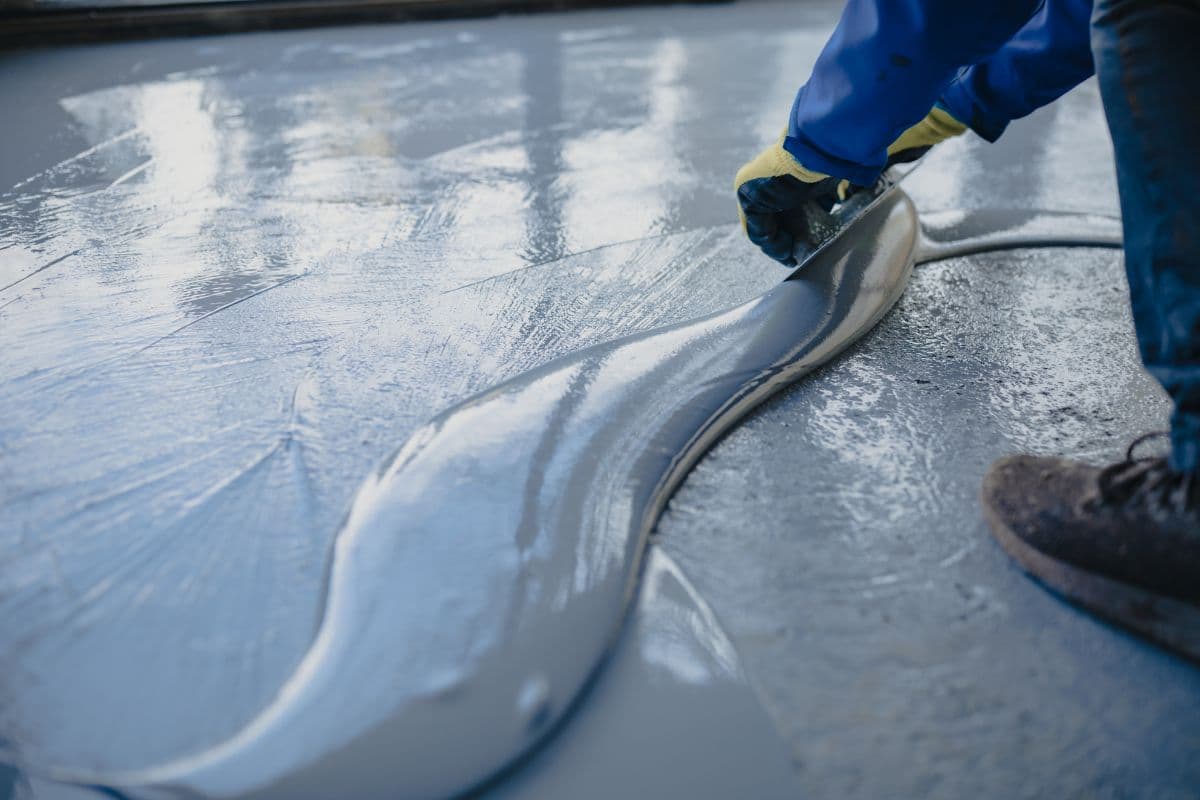
Epoxy coating provides a high-gloss, durable finish ideal for enclosed spaces.
What Is Polyurethane Floor Coating?
Polyurethane (sometimes called urethane) is a more flexible polymer coating, often used as a standalone or topcoat. It comes in water- or solvent-based formulas and is known for elasticity rather than pure hardness.
Pros of Polyurethane
- + Excellent flexibility – moves with concrete through temperature swings
- + Superior UV and scratch resistance – no yellowing
- + Faster cure – light traffic in 24 hours, full in 2–3 days
- + Good chemical and moisture tolerance, softer and quieter underfoot
- + Often more slip-resistant with additives
Cons of Polyurethane
- − Softer overall – not as good for extreme point loads
- − Higher material cost, especially UV-stable grades
- − More sensitive to moisture during application
- − May need multiple thinner coats
- − Less showroom glossy than epoxy without extra layers
Head-to-Head Comparison
| Aspect | Epoxy | Polyurethane |
|---|---|---|
| Durability | High compression strength (5–20 years) | Excellent abrasion + flexibility (10–20 years) |
| Flexibility | Rigid, can crack | Highly flexible, crack-resistant |
| UV Resistance | Poor – yellows quickly | Excellent – no fading |
| Chemical Resistance | Outstanding against oils/acids | Very good, especially organics |
| Cure Time | 3–7 days | 1–3 days |
| Best For | Indoor heavy-traffic, chemical-heavy areas | Outdoor, sun-exposed, or moving substrates |
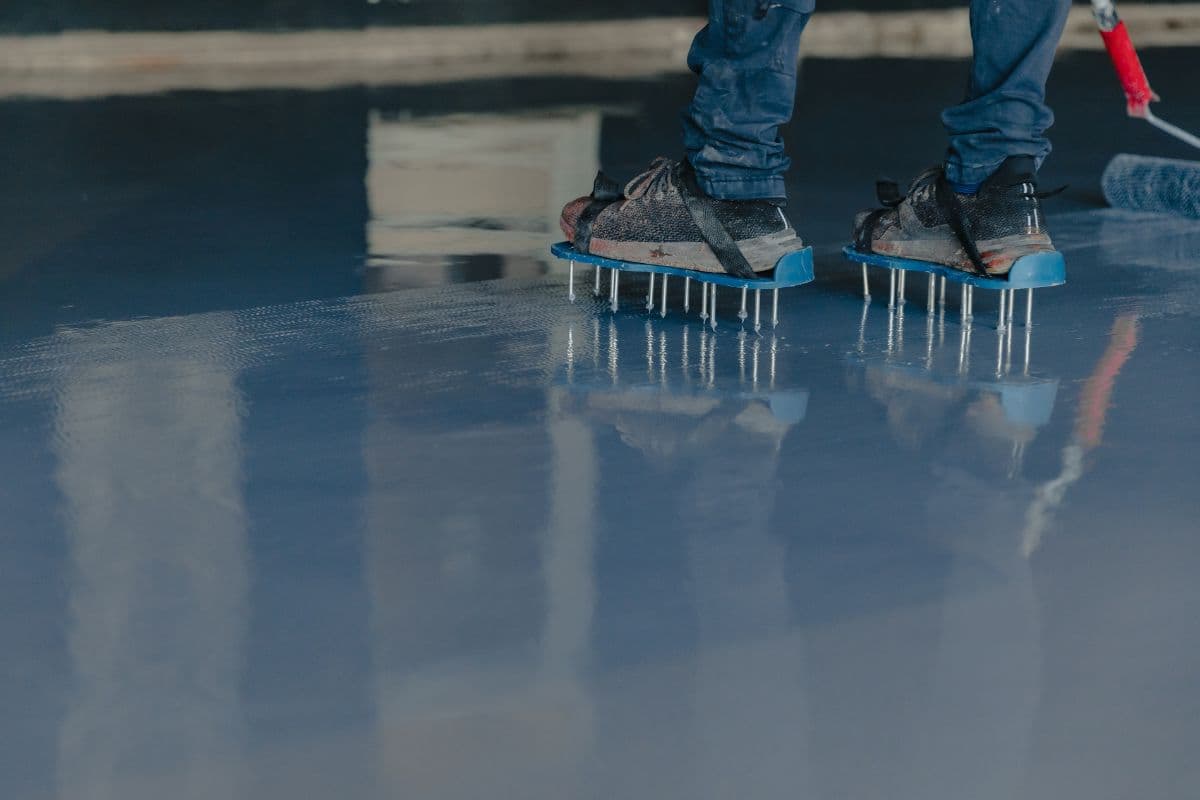
Polyurethane coatings offer superior UV resistance and flexibility for basements with windows or temperature swings.
2026 Cost Breakdown (Installed, Professional)
Based on national averages for a typical 500 sq ft garage:
| Feature | Epoxy | Polyurethane / Polyaspartic |
|---|---|---|
| Cost per sq ft | $4–$10 | $5–$12 |
| Total for 500 sq ft | $2,000–$5,000 | $2,500–$6,000 |
| Materials only | $1–$6/sq ft | $2–$7/sq ft |
| Add-ons (flakes, grit, etc.) | $400–$1,000 | $500–$1,200 |
Bottom line: Epoxy wins on initial price, but polyurethane's longer life and fewer recoats often make it cheaper over 10–15 years.
Overlooked Factors When Choosing a Floor Coating
Concrete Moisture Testing
Polyurethane is pickier – always do a vapor emission test in humid climates or new slabs.
Temperature Swings
Polyurethane handles them far better. Epoxy can delaminate in cold basements.
Hybrid Systems Win
Most pros now put polyurethane or polyaspartic as a topcoat over epoxy for the best of both worlds: hardness + UV/scratch protection.
Slip Resistance
Add silica sand or aluminum oxide to either – critical for garages and wet areas.
DIY vs Pro
Epoxy kits are tempting but most failures come from bad prep. Polyurethane almost always needs a professional.
When to Choose Epoxy vs Polyurethane
Choose Epoxy If:
- You want maximum hardness on a budget
- You have a fully enclosed space with heavy equipment
- Chemical spills are common (oil, battery acid)
- You love that deep, high-gloss look
Choose Polyurethane If:
- Your floor gets sunlight or temperature changes
- You want faster install and longer scratch/UV protection
- The substrate has minor movement or settling
- You need outdoor or semi-outdoor durability
The sweet spot for most homeowners: A high-build epoxy base + aliphatic polyurethane or polyaspartic topcoat. You get the best of both worlds.
Frequently Asked Questions
Is epoxy or polyurethane better for a basement floor?
For most basements, a hybrid system (epoxy base + polyurethane topcoat) is best. Epoxy provides hardness while polyurethane adds UV protection and flexibility.
How much does epoxy vs polyurethane floor coating cost?
Epoxy costs $4–$10/sq ft installed; polyurethane runs $5–$12/sq ft. For 500 sq ft, expect $2,000–$5,000 for epoxy or $2,500–$6,000 for polyurethane.
Can I apply polyurethane over epoxy?
Yes, this is the recommended hybrid approach. Apply epoxy as the base layer and polyurethane or polyaspartic as the topcoat for maximum durability.
Does epoxy yellow in sunlight?
Yes. Standard epoxy has poor UV resistance and will yellow or chalk when exposed to sunlight, even through windows. Polyurethane does not have this problem.
Glossary
- Epoxy
- Rigid two-part resin that forms a hard, chemical-resistant layer.
- Polyurethane
- Flexible coating prized for UV stability and elasticity.
- Polyaspartic
- Fast-curing cousin of polyurethane, often used as a premium topcoat.
- VOC
- Volatile organic compounds – lower-VOC formulas are better for indoor air.
- Delamination
- When the coating peels away from the concrete.
Final Thoughts
Epoxy gives you brute strength and that classic high-gloss garage look at a friendlier price. Polyurethane (or a polyurethane topcoat) gives you real-world toughness, UV protection, and flexibility that lasts longer in most homes. The smartest move for most people is the hybrid approach – epoxy base with a polyurethane topcoat. Whichever route you take, invest in proper surface prep and a reputable installer.
Related Guides
Best Basement Flooring 2026
Compare every flooring option for basements including coated concrete.
Waterproof Paint & Sealers
Best waterproof paint and sealers for basement walls and floors.
Basement Finishing Cost
Complete cost breakdown for finishing your basement.
How to Finish a Basement
Step-by-step guide to finishing your basement into livable space.
Basement Humidity Guide
Managing moisture levels for coated basement floors.
From Our Network
- The Garage Guide — Garage floor coating cost guide covering epoxy, polyurea, polyaspartic, and tile options for garage floors.
Get Professional Floor Coating Quotes
Ready to upgrade your basement or garage floor? Connect with certified coating installers in your area for free estimates.