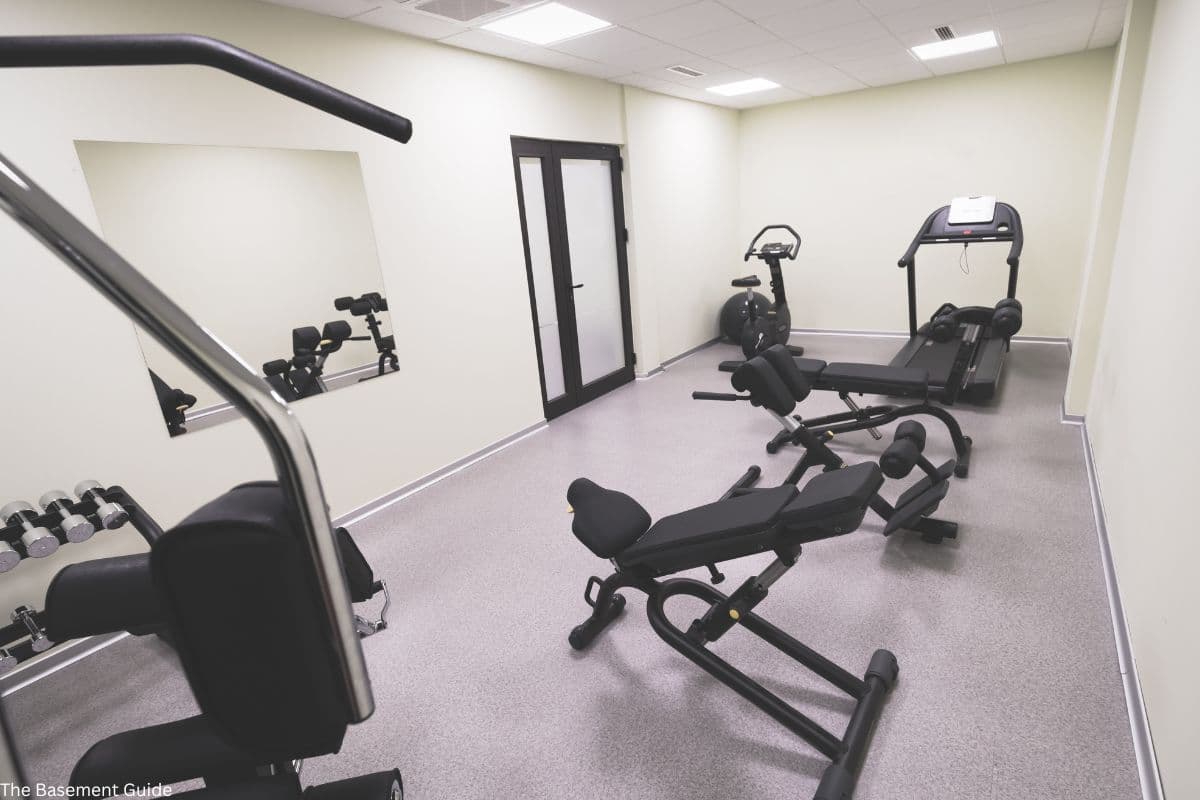
Turning your basement into a home gym is one of the smartest upgrades you can make right now. You get a dedicated workout space without adding square footage, save money on gym memberships, and have privacy whenever you want to train. In 2026, with busy schedules and crowded commercial gyms, a basement gym just makes sense.
Basements do come with their own set of challenges. Moisture, low ceilings, and poor air quality can quickly turn your dream gym into a damp, musty room that nobody wants to use. The good news is that if you plan it right — especially with waterproofing and clean air in mind — you can create a comfortable, motivating space that lasts for years.
This guide walks you through everything you need to know: what to watch out for, the critical waterproofing steps, smart design choices, realistic costs, and the equipment that actually works well underground.
Why a Basement Home Gym Is a Smart Move
Zero Commute, 24/7 Access
No drive, no waiting for equipment, no closing time. Train at 5am or midnight — the gym is always open.
Perfect for Noisy Equipment
Treadmills, weights, and kettlebells stay out of the main living area. The basement absorbs noise and keeps the peace upstairs.
Adds Real Home Value
Buyers love seeing a finished gym. A well-built basement gym is a selling point that sets your home apart.
Control Your Own Environment
Set your own temperature, music, and layout. No strangers, no rules, no waiting.
The biggest secret to success is treating moisture control as step one, not an afterthought.
The Biggest Challenge: Moisture, Mold, and Clean Air
Basements are naturally cooler and more humid than the rest of the house. That combination can lead to condensation, musty smells, and mold growth behind walls or under flooring. A damp gym is not only unpleasant — it can also damage expensive equipment and affect your breathing during workouts. This is why waterproofing and air quality must come first.
What You Must Do Before Building
- Fix exterior drainage — regrade soil, extend downspouts at least 10 feet away, clean gutters.
- Seal all foundation cracks and apply crystalline waterproofing or a dimpled membrane on walls.
- Install a reliable sump pump with battery backup.
- Run a whole-basement dehumidifier set to 40–50% humidity around the clock.
- Use mold-resistant drywall, rigid foam insulation against concrete, and a vapor barrier.
Bottom Line
Spend the extra money on these steps upfront and you will avoid mold, protect your equipment, and keep the air clean and fresh — even during long, sweaty sessions.
Smart Design Tips for a Basement Gym That Actually Gets Used
Ceiling Height
Aim for at least 7 feet 6 inches finished. If your basement is lower, use low-profile equipment and bright lighting to make it feel taller.
Flooring
Choose moisture-resistant options like rubber gym tiles, luxury vinyl plank, or sealed concrete with anti-fatigue mats. Never use carpet.
Ventilation and Sweat Control
Heavy workouts mean a lot of sweat, which adds extra humidity to the air. Install a powerful exhaust fan that vents directly outside and run it during and after every session. Combined with your dehumidifier, this keeps moisture from building up and prevents that stale, sweaty smell.
Lighting
Bright, even lighting is essential. Use recessed LED lights and add mirrors to make the space feel bigger and more energizing.
Soundproofing
Add resilient channels and extra insulation if you have heavy weights or loud cardio machines.
Layout
Keep heavy equipment away from walls and leave clear walking paths. Plan your layout before buying anything.
Essential Equipment for Your Basement Gym
| Equipment | Budget Option | Mid-Range | Premium |
|---|---|---|---|
| Adjustable Dumbbells | $150 – $250 | $300 – $500 | $600+ |
| Power Rack or Squat Stand | $200 – $400 | $500 – $900 | $1,000+ |
| Barbell + Weight Plates | $200 – $400 | $500 – $800 | $1,000+ |
| Flat/Adjustable Bench | $100 – $200 | $250 – $400 | $500+ |
| Cardio Machine | $300 – $600 | $800 – $1,500 | $2,000+ |
| Rubber Gym Flooring | $200 – $400 | $500 – $800 | $1,000+ |
These prices are 2026 estimates. A solid starter gym with adjustable dumbbells, a bench, a power rack, and rubber flooring can be built for $1,000 to $2,000. See our basement finishing cost guide for broader cost context.
Realistic 2026 Costs for a Basement Home Gym
| Gym Level | Cost Range |
|---|---|
| Basic Setup (dumbbells, bench, mats) | $500 – $1,500 |
| Mid-Range (rack, barbell, bench, flooring) | $2,000 – $5,000 |
| Full Build-Out (equipment + finishing) | $5,000 – $15,000 |
| Premium Gym (high-end everything) | $15,000 – $30,000+ |
These numbers include equipment, flooring, and basic finishing. If your basement still needs waterproofing, framing, electrical, or HVAC work, add those costs separately.
The biggest secret to saving money on a home gym is buying used equipment. Check Facebook Marketplace, Craigslist, and local garage sales — you can often find commercial-grade gear at 50–70% off retail.
Pro Tips for a Basement Gym That Lasts
Always waterproof before you build — fix drainage, seal cracks, and install a sump pump with battery backup.
Use rubber gym tiles or luxury vinyl plank flooring — never carpet. Moisture-resistant flooring is non-negotiable.
Install an exhaust fan that vents directly outside and run a dehumidifier set to 40–50% humidity.
Add dedicated electrical circuits for treadmills and other motorized equipment — never use extension cords.
Buy used equipment from Facebook Marketplace or Craigslist — you can save 50–70% on commercial-grade gear.
Glossary of Terms
Sump Pump
A pump installed in a pit below the basement floor that collects and removes water to prevent flooding.
Vapor Barrier
A waterproof layer installed behind walls or under flooring to stop moisture from moving into the living space.
Resilient Channel
A thin metal strip used between studs and drywall to reduce sound transmission through walls and ceilings.
Rigid Foam Insulation
A moisture-resistant insulation board installed directly against concrete walls before framing to prevent condensation and mold.
Related Guides
Complete Waterproofing Guide
Everything you need to know about stopping basement leaks for good.
How to Finish a Basement
Step-by-step guide to transforming your unfinished basement.
Basement Finishing Cost Guide
Full breakdown of costs to finish your basement from start to move-in.
How to Prevent Basement Mold
The 5 pillars of permanent mold prevention for your basement.
Get Expert Help With Your Basement Home Gym
Connect with pre-vetted waterproofing and finishing professionals in your area. Free assessments, no obligation.