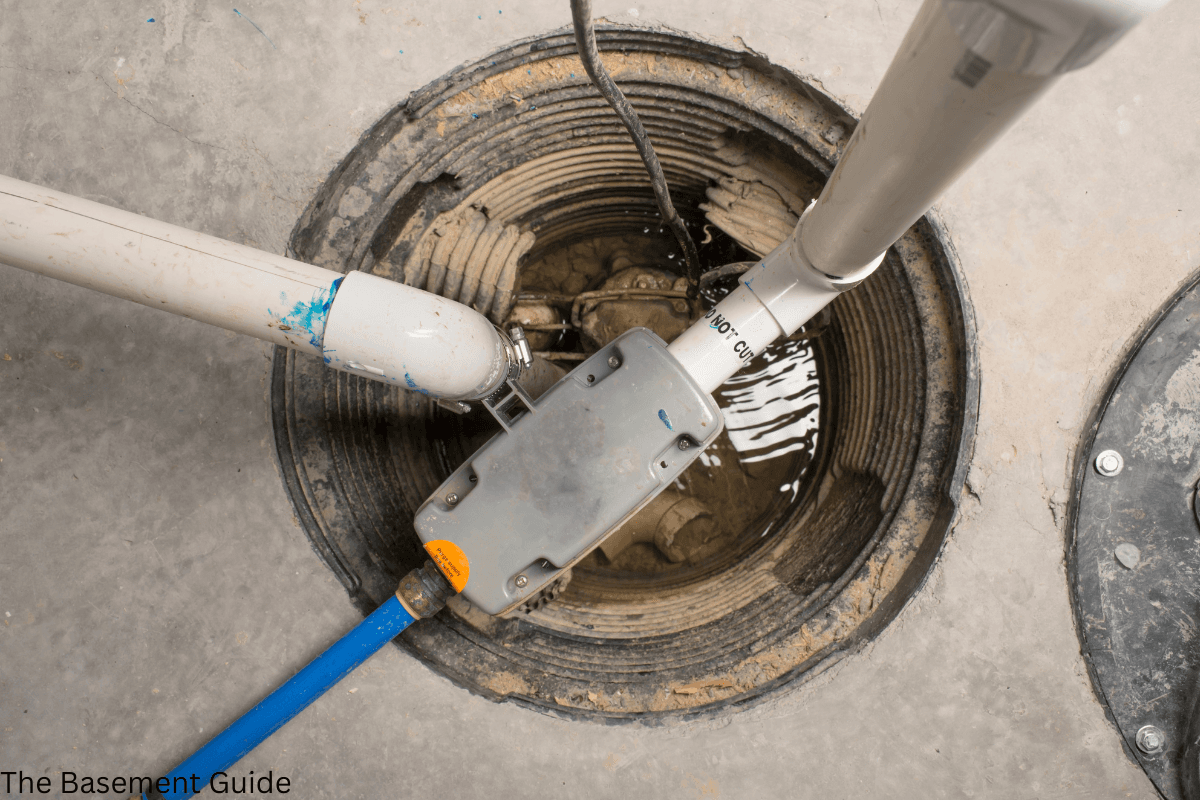
A battery backup sump pump is a secondary pump powered by a rechargeable battery that activates automatically when the primary pump loses power or fails. A water-powered backup sump pump uses municipal water pressure to create suction that removes sump water without electricity or batteries. Battery backup systems cost $800 to $2,200 installed, and water-powered systems cost $500 to $1,200 installed. This guide compares both backup types so you can choose the right protection for your basement.
When the power goes out during a heavy storm, your primary sump pump stops working. That is exactly the moment your basement is most vulnerable to flooding. A single flooding event causes an average of $10,000 to $50,000 in damage to a finished basement. Every basement with a sump pump needs a backup system, and in 2026 there are two proven options: battery-powered backups using modern LiFePO4 lithium batteries, and water-powered pumps that run on your home's municipal water pressure. Both work, but they solve the problem in very different ways.
How Each Backup Type Works
Battery Backup Sump Pumps
A battery backup pump is a separate pump that sits in your sump pit alongside the primary pump. It connects to a rechargeable battery — typically a 12V LiFePO4 lithium battery or a traditional lead-acid marine battery — and a charger that keeps the battery topped off from a standard wall outlet.
When the primary pump fails or loses power, the backup pump's float switch activates at a level slightly higher than the primary pump's float, and the backup begins pumping on battery power.
The newest 2026 models use LiFePO4 (lithium iron phosphate) batteries instead of lead-acid. LiFePO4 batteries last 5 to 10 years compared to 2 to 3 years for lead-acid, charge in 4 to 6 hours instead of 12 to 24 hours, weigh roughly half as much, hold their charge for months during standby, and produce no fumes or off-gassing. The higher upfront cost ($200 to $500 for LiFePO4 vs $100 to $200 for lead-acid) is offset by the longer lifespan and superior reliability.
Battery backup pumps move 2,500 to 3,500 gallons per hour at typical residential head pressure, which is comparable to many primary pumps. Runtime depends on battery capacity and how frequently the pump cycles, but most LiFePO4 systems provide 12 to 72 hours of protection on a full charge. See our sump pump buying guide for how to size a backup pump to your pit.
Water-Powered Backup Sump Pumps
A water-powered backup pump uses no electricity and no batteries. It connects to your home's municipal water supply line and uses the Venturi effect to create pumping suction. When pressurized city water (40 to 60 PSI) flows through a narrow restriction inside the pump, it creates a low-pressure zone that generates suction, pulling sump water from the pit and combining it with the city water stream before sending both out through the discharge line.
The result is a pump that runs indefinitely as long as city water pressure is available. There is no battery to die, no charger to fail, and no runtime limit. The trade-off is lower flow rate (800 to 1,500 GPH compared to 2,500 to 3,500 GPH for battery backups) and ongoing water usage of approximately 1 gallon of city water for every 2 gallons of sump water removed.
Water-powered pumps require a connection to the municipal water supply and a backflow preventer (RPZ assembly) to prevent sump water from contaminating the potable water system. Most local plumbing codes require a licensed plumber to install and inspect the backflow preventer. The pump itself has virtually no moving parts and requires almost zero maintenance.
Head-to-Head Comparison
| Feature | Battery Backup (LiFePO4) | Water-Powered Pump |
|---|---|---|
| Power source | Rechargeable lithium battery | Municipal water pressure (40 to 60 PSI) |
| Runtime per event | 12 to 72 hours per charge | Unlimited while city water flows |
| Flow rate | 2,500 to 3,500 GPH | 800 to 1,500 GPH |
| Installed cost | $800 to $2,200 | $500 to $1,200 |
| Water usage | None | 1 gallon city water per 2 gallons pumped |
| Works on well water | Yes | No — needs city pressure |
| Battery replacement | Every 5 to 10 years (LiFePO4) | Not applicable |
| Smart monitoring | Yes — Wi-Fi alerts, app monitoring | No |
| Installation difficulty | DIY-friendly | Licensed plumber recommended |
| Maintenance | Test quarterly, replace battery every 5 to 10 years | Almost zero |
| Works during water outage | Yes | No |
| Noise level | Moderate (similar to primary pump) | Quiet (no motor) |
| Backflow preventer required | No | Yes ($100 to $300 additional) |
Which One Should You Choose?
The right backup depends on your water source, how long your power outages typically last, and how much hands-off protection you want.
Choose a Battery Backup If
- • You are on well water. Water-powered pumps require municipal water pressure to operate. If your home is on a well, the well pump loses power during the same outage that disables your primary sump pump, so a battery backup is your only option.
- • You need high flow rate. Battery backups pump 2,500 to 3,500 GPH, which is 2 to 3 times the flow rate of water-powered pumps. If your basement takes on water rapidly during storms, you need the higher GPH.
- • You want smart monitoring. Modern battery backup systems offer Wi-Fi connectivity with phone alerts for pump activation, low battery, and high water. Water-powered pumps have no smart features. See our smart sump pumps guide for monitoring options.
- • You want DIY installation. Most battery backup kits are designed for homeowner installation with basic plumbing skills. Water-powered pumps typically require a licensed plumber.
- • Your outages rarely exceed 2 to 3 days. A fully charged LiFePO4 battery provides 12 to 72 hours of runtime depending on pump cycling frequency.
Choose a Water-Powered Backup If
- • You have reliable city water pressure. The pump requires consistent municipal water pressure of 40 to 60 PSI. If your city water is reliable, the pump runs indefinitely without any power source.
- • You travel for extended periods. A water-powered pump has no battery to die while you are away for weeks or months.
- • Unlimited runtime is your top priority. Extended power outages lasting 3 or more days will drain any battery. A water-powered pump keeps running as long as city water flows.
- • You want zero maintenance. No batteries to test, no charger to monitor, no replacement parts. The pump has virtually no moving parts and can last 20 or more years.
- • You do not mind the water cost. A long storm event where the backup runs continuously can add $20 to $60 to your water bill.
The Gold Standard: Install Both
Many homeowners in flood-prone areas install both a battery backup and a water-powered backup in the same sump pit alongside the primary pump. In this dual configuration, the battery backup activates first when the primary pump fails, providing high-flow pumping at 2,500 to 3,500 GPH for the first 12 to 72 hours. If the outage outlasts the battery, the water-powered pump takes over with unlimited runtime at a lower flow rate.
A dual backup setup costs $1,500 to $3,000 installed and provides the most comprehensive basement flood protection available.
A dual system is strongly recommended for: homes with finished basements, homes with valuable stored items, homes in areas with frequent extended power outages, and any home where a single flooding event would cause more than $10,000 in damage. See our basement flooding insurance guide for what insurance does and does not cover.
2026 Cost Breakdown
| Cost Item | Battery Backup | Water-Powered |
|---|---|---|
| Pump unit | $400 to $1,200 | $200 to $500 |
| Battery (LiFePO4) or water hookup | $200 to $500 | $100 to $300 (plumbing + backflow preventer) |
| Professional installation labor | $200 to $400 | $200 to $400 |
| Total installed cost | $800 to $2,200 | $500 to $1,200 |
| Ongoing annual cost | ~$5 electricity for charger | $20 to $60 water usage per event |
| Replacement parts over 10 years | $200 to $500 for battery | Near zero |
| Dual system (both installed) | $1,500 to $3,000 total — includes both systems | |
These costs are for the backup system only and do not include the primary sump pump. For primary pump pricing, see our sump pump cost guide. For complete waterproofing system pricing, see our basement waterproofing cost guide.
Installation: DIY vs Professional
Battery Backup: DIY-Friendly
Most battery backup sump pump kits are designed for homeowner installation. The process involves placing the backup pump in the existing sump pit alongside the primary pump, connecting the backup's discharge line to the existing PVC pipe using a Y-fitting or running a separate discharge, mounting the battery and charger on a shelf or bracket near the pit, and plugging the charger into a GFCI-protected outlet.
You need basic plumbing skills (cutting and gluing PVC pipe), a hacksaw or PVC cutter, PVC cement, and 2 to 4 hours of time. The most common mistake is mounting the backup pump's float switch at the same level as the primary pump's float. The backup float must be set higher so the backup only activates when the primary pump fails to keep up.
Water-Powered: Hire a Plumber
Water-powered backup pumps require a connection to your home's municipal water supply line, a backflow preventer (RPZ assembly), and in most jurisdictions a plumbing permit and inspection. Most local codes require a licensed plumber for this work.
Installation takes 3 to 5 hours and costs $200 to $400 for labor plus $100 to $300 for the RPZ assembly. Do not attempt to install a water-powered backup without a backflow preventer. Without one, contaminated sump water can flow backward into your drinking water supply and the municipal water system.
See our DIY vs hiring a pro guide for general guidance on which basement projects are safe to do yourself.
Maintenance and Testing
Battery Backup Maintenance
- Every 3 months Test the backup by unplugging the primary pump and pouring water into the sump pit until the backup float activates. Verify the pump runs and the water level drops. Check the charger indicator light to confirm the battery is fully charged.
- Every 12 months Inspect the discharge line for leaks or blockages. Clean the pump intake screen. Check all PVC connections for cracks or looseness. Verify the check valve is functioning.
- Every 5 to 10 years Replace the LiFePO4 battery ($200 to $500). If using a lead-acid battery, replace every 2 to 3 years ($100 to $200). A degraded battery that appears fully charged can fail under load during an actual emergency.
Water-Powered Backup Maintenance
- Every 6 months Test the pump by turning off the primary pump and pouring water into the pit. Verify the water-powered backup activates and pumps effectively.
- Every 12 months Have the backflow preventer tested by a certified tester (required by many municipalities). Inspect all water supply connections for leaks.
- As needed If you notice reduced pumping performance, check the water supply line for mineral buildup or reduced pressure.
Frequently Asked Questions
How much does a battery backup sump pump cost?
A battery backup sump pump costs $800 to $2,200 installed, which includes the pump unit ($400 to $1,200), a LiFePO4 lithium battery ($200 to $500), and professional installation labor ($200 to $400). DIY installation saves $200 to $400 in labor. Ongoing costs are minimal — approximately $5 per year in electricity for the battery charger and $200 to $500 for a replacement battery every 5 to 10 years. A dual system with both backup types costs $1,500 to $3,000. See our sump pump cost guide for complete pricing.
Can I install a battery backup sump pump myself?
Yes, most battery backup sump pump kits are designed for DIY installation with step-by-step instructions. You need basic plumbing skills (cutting and gluing PVC pipe), a GFCI-protected outlet near the sump pit, and 2 to 4 hours of time. Water-powered pumps are harder to install yourself because they require a connection to the municipal water supply and a backflow preventer that most plumbing codes require a licensed plumber to install. See our DIY vs hiring a pro guide for help deciding.
How long does a LiFePO4 sump pump battery last?
A LiFePO4 (lithium iron phosphate) sump pump battery lasts 5 to 10 years before needing replacement. This is a major improvement over traditional lead-acid batteries that last only 2 to 3 years. LiFePO4 batteries also charge faster (4 to 6 hours vs 12 to 24 hours for lead-acid), hold their charge far better during months of standby between power outages, weigh roughly half as much, and produce no fumes or off-gassing. A replacement LiFePO4 battery costs $200 to $500.
Will a water-powered backup sump pump work on well water?
No. Water-powered backup sump pumps require steady municipal water pressure of 40 to 60 PSI to operate the Venturi mechanism that creates pumping suction. Homes on private wells cannot use water-powered backups because the well pump itself runs on electricity and loses pressure during the same power outage that disables the primary sump pump. A battery backup sump pump is the only backup option for homes on well water.
How much water does a water-powered backup pump use?
A water-powered backup sump pump uses approximately 1 gallon of municipal water for every 2 gallons of sump water removed. During a long storm event where the backup runs continuously for several hours, this adds $20 to $60 to your water bill. Some municipalities restrict water-powered sump pumps due to water consumption concerns, so check with your local water utility before purchasing.
Should I install both a battery backup and a water-powered backup?
A dual backup system is the gold standard for basement flood protection and is strongly recommended for homes with finished basements, valuable stored items, or a history of extended power outages. In a dual system, the battery backup activates first with high-flow pumping at 2,500 to 3,500 GPH for the first 12 to 72 hours. If the outage outlasts the battery, the water-powered pump takes over with unlimited runtime at 800 to 1,500 GPH. A dual system costs $1,500 to $3,000 installed.
How do I test my backup sump pump?
Test your backup sump pump every 3 months. For a battery backup, unplug the primary pump from the wall outlet, then pour water into the sump pit until the backup pump's float switch activates. Verify the pump runs, the water level drops, and the pump shuts off when the water recedes. For a water-powered backup, turn off the primary pump at the breaker and verify the water-powered pump activates. If your backup has smart monitoring, verify you receive a phone alert each time you test.
Do I need a backflow preventer for a water-powered backup?
Yes. A backflow preventer is required by virtually all local plumbing codes when installing a water-powered backup sump pump. The device — typically a reduced pressure zone (RPZ) assembly — prevents contaminated sump water from flowing backward into your home's drinking water supply. An RPZ assembly costs $100 to $300 for the device plus installation by a licensed plumber. Do not install a water-powered backup without a backflow preventer under any circumstances.
How do I know which backup type is right for my home?
Choose a battery backup if you are on well water, need high flow rate (2,500 to 3,500 GPH vs 800 to 1,500 GPH), want smart Wi-Fi monitoring, prefer DIY installation, or your outages rarely exceed 2 to 3 days. Choose a water-powered backup if you have reliable city water pressure, travel for extended periods, want zero maintenance and unlimited runtime. If your basement is finished or contains more than $10,000 in value, install both types for comprehensive protection.
What happens if both the power and city water go out?
If both electricity and municipal water fail simultaneously, neither a battery backup (once drained) nor a water-powered backup will function. This scenario is rare but possible during major natural disasters. The only protection in this case is a portable generator or portable power station that can run the primary or battery backup pump independently of the grid. A generator with 2,000 to 3,000 surge watts ($400 to $1,300) will run any residential sump pump.
Glossary of Backup Sump Pump Terms
Battery Backup Sump Pump
A secondary sump pump powered by a rechargeable battery that activates automatically when the primary pump loses power or cannot keep up with water volume. Modern systems use LiFePO4 lithium batteries that last 5 to 10 years and pump 2,500 to 3,500 gallons per hour. Cost: $800 to $2,200 installed.
Water-Powered Backup Sump Pump
A backup sump pump that operates without electricity or batteries by using municipal water pressure to create Venturi suction. Provides unlimited runtime, pumps 800 to 1,500 GPH, and uses approximately 1 gallon of city water per 2 gallons removed. Cost: $500 to $1,200 installed.
LiFePO4 (Lithium Iron Phosphate)
A rechargeable lithium battery chemistry used in modern sump pump backup systems. Lasts 5 to 10 years, charges in 4 to 6 hours, holds charge for months during standby, weighs roughly half as much as lead-acid, and produces no fumes. Replacement cost: $200 to $500.
Venturi Effect
The physical principle water-powered backup sump pumps use to create pumping suction. Pressurized municipal water flowing through a narrow restriction creates a low-pressure zone that generates suction. Requires minimum municipal water pressure of 40 to 60 PSI.
Backflow Preventer (RPZ Assembly)
A plumbing device that prevents contaminated sump water from flowing backward into the home's potable water supply or the municipal water system. Required by most local plumbing codes for water-powered installations. Cost: $100 to $300 plus licensed plumber installation.
Float Switch
The mechanical component that activates a sump pump when water in the pit rises to a set level. In a dual-pump setup, the backup pump's float switch is mounted higher than the primary pump's float. See our smart sump pumps guide for electronic alternatives.
GPH (Gallons Per Hour)
Flow rate measurement for sump pumps. Battery backups: 2,500 to 3,500 GPH. Water-powered backups: 800 to 1,500 GPH. Always check GPH ratings at your specific head height because higher lift reduces flow rate.
Head Pressure
The vertical distance water must be lifted from the sump pit to the discharge point outside. Most residential installations have 8 to 12 feet of head pressure. Higher head pressure reduces effective GPH.
Dual Backup System
A configuration with both a battery backup and a water-powered backup in the same pit. The battery backup provides high-flow pumping for 12 to 72 hours, then the water-powered pump takes over with unlimited runtime. Cost: $1,500 to $3,000 installed.
Check Valve
A one-way valve in the sump pump discharge line that prevents water from flowing back into the pit after the pump shuts off. Every sump pump discharge line (primary and backup) should have a check valve.
Related Guides
Sump Pump Buying Guide
Everything you need to know to choose the right sump pump for your basement.
Smart Sump Pumps & Leak Sensors
IoT flood prevention systems that text you before disasters happen.
Best Water Leak Detectors
Top-rated water sensors and smart leak detection systems for 2026.
Why Basements Flood With a Sump Pump
Common reasons your sump pump fails when you need it most.
Basement Flooding Insurance
What insurance covers and does not cover for basement water damage.
Complete Waterproofing Guide
Everything you need to know about stopping basement leaks for good.
Basement Waterproofing Cost
Complete pricing guide for every waterproofing method in 2026.
DIY vs Hiring a Pro
Which basement projects are safe to tackle yourself and which need a contractor.
Basement Emergency Water Plan
Step-by-step emergency response plan for basement flooding.
Submersible vs Pedestal Sump Pump
Compare the two main sump pump styles to find the right fit.
Our network: The Septic Guide covers septic alarm systems, which use similar battery backup and alert technology to monitor septic tank levels and pump station failures. The Garage Guide covers garage waterproofing, which may involve sump pump systems in garages with below-grade floors or drainage issues.