Basement Mice & Pest Prevention: Sealing, Traps, and Long-Term Fixes (2026)
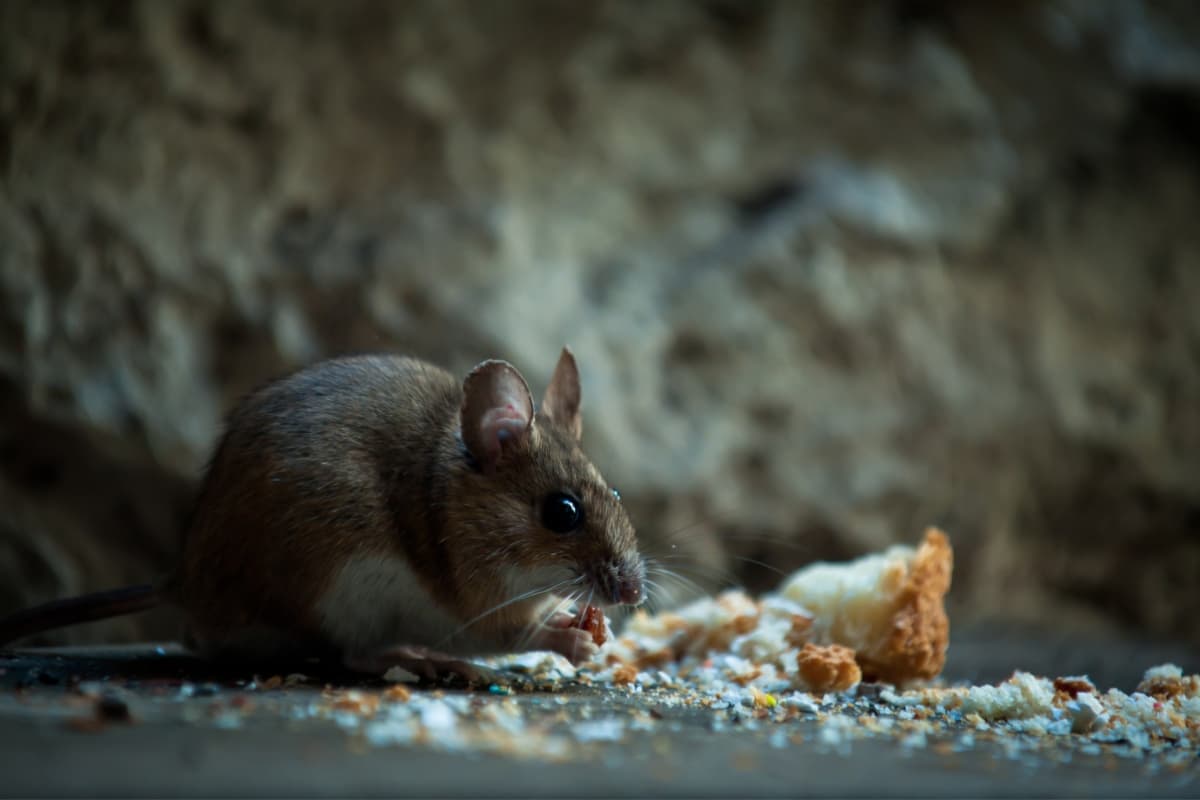
TL;DR: Mice get into basements through gaps as small as a quarter inch, usually around foundation cracks, utility penetrations, and window wells. The fix isn't traps first, it's sealing entry points first, then trapping whatever's already inside. Skipping the sealing step means you'll be resetting traps forever. Most basements can be fully sealed and cleared in a weekend for under $150 in materials.
Why Basements Are Ground Zero for Mice
Basements offer mice everything they want: warmth, darkness, and proximity to a foundation that's rarely sealed as tightly as the rest of the house. Foundation cracks, gaps around pipes, dryer vents, and utility lines all create openings that look small to you and look like a front door to a mouse. A full-grown mouse can squeeze through a gap the width of a pencil.
Moisture makes it worse. A damp basement attracts mice the same way it attracts mold, since they need water as much as food. If you're dealing with mice and you've also got a musty smell or standing water after rain, the two problems are usually connected. Fixing one without the other means the mice keep coming back.
The Named Decision Rule: Seal First, Trap Second
Here's the rule that separates a permanent fix from a repeating chore.
Never set a trap before you've sealed the entry points you can find. Trapping without sealing just removes the mice currently inside while leaving the door open for the next ones. Seal first, using the 5-minute diagnostic below to find the openings, then trap what's already inside using the products in this guide.
Skipping the sealing step is the single most common reason people say “I've tried everything and the mice keep coming back.”
5-Minute Diagnostic
Walk your basement perimeter, inside and outside, and check these five spots. This covers the majority of basement entry points.
- Foundation cracks. Any crack wider than 1/4 inch is worth sealing, even if it looks cosmetic. Mice can flatten their skulls to fit through surprisingly small gaps.
- Utility penetrations. Check where pipes, cables, and gas lines pass through the foundation wall. These are rarely sealed tight from the factory and are the single most common entry point.
- Dryer vents and exterior vents. A missing or damaged flap on a dryer vent is an open invitation. Check that the flap moves freely and closes fully.
- Window wells and basement window frames. Gaps around older basement window frames, especially in older homes, are a common overlooked entry point.
- The sill plate. The band where your foundation meets the wood framing above it (the rim joist area) is often the biggest gap in the whole house. If you have exposed floor joists in an unfinished section, look here first.
Mark every gap you find with tape as you go. You'll come back to seal them in one pass instead of resetting up your tools five separate times.
Cost Breakdown & 10-Year TCO
| Cost Factor | DIY Sealing & Trapping | Professional Pest Control |
|---|---|---|
| Sealing materials (mesh, sealant, foam) | $40 to $100 | Included in service |
| Traps (initial setup) | $15 to $40 | Included in service |
| Initial service call | N/A | $150 to $350 |
| Ongoing monthly/quarterly service | N/A | $40 to $100/visit |
| Time investment | 1 weekend | 1 to 2 hours (professional does the work) |
| 10-Year TCO (one-time sealing, occasional trap replacement) | $150 to $400 | $2,500 to $6,500 (with ongoing service plan) |
DIY sealing wins decisively on cost if your basement is a straightforward single-family setup and the infestation isn't severe. Professional service earns its cost when you're dealing with an active large-scale infestation, a rodent problem tied to a structural issue you can't access yourself, or you simply want it handled without the weekend project.
Common Mistakes
- Using plain steel wool without backing it with sealant. Steel wool alone works short term but rusts and degrades. Pair it with silicone caulk or expanding foam, or use copper mesh instead, which won't rust.
- Sealing gaps but skipping the sill plate. This is the most overlooked entry point in the whole diagnostic. If you've sealed everywhere else and still have mice, check here again.
- Setting traps in the open middle of a room. Mice hug walls and travel along edges. Traps placed against walls, behind furniture, or in corners catch far more than traps in open floor space.
- Using poison bait as a first response. Poison creates a real risk of a mouse dying inside a wall cavity, which causes a much worse smell problem than the mice themselves. Save bait stations for severe infestations and place them outside the home's perimeter, not inside.
- Assuming one sealed gap means the job is done. Mice test multiple entry points. A thorough seal means checking the entire foundation perimeter, not just the spot where you first saw activity.
- Ignoring the moisture connection. If your basement has ongoing humidity or water issues, see our basement humidity guide alongside this one. Drying out the space makes it less attractive to mice in the first place.
When to Call a Pro
DIY sealing and trapping handles most basement mouse problems. Call a licensed pest control company if any of the following apply:
- You're finding new droppings daily despite active trapping, a sign of a larger colony than DIY methods can handle
- You suspect rats rather than mice (different scale of problem, different approach)
- You can hear activity inside wall cavities or the ceiling, which may mean the infestation has spread beyond the basement
- You've sealed every entry point you can find and still have new activity, suggesting an access point you can't locate on your own
- You're dealing with a smell suggesting a dead rodent inside a wall or floor cavity
A pro visit runs $150 to $350 for an initial inspection and treatment, which is worth it once a DIY approach has stalled out.
Product Picks
Best sealing material: Xcluder Rodent Control Fill Fabric
A stainless steel wool and poly-fiber blend built specifically to block gaps mice can squeeze through, without the rust problems of plain steel wool. Pair it with a bead of silicone caulk to lock it in place. This is the material most pest control pros use for exclusion work, so it's a legitimate step up from the steel wool sitting in your garage.
View on Amazon: Xcluder Rodent Control Fill FabricBest trap: Tomcat Press 'N Set Mouse Trap
Highly effective, easy to set with one button (no risk of catching your own fingers), and cheap enough to place several at once. It's the trap that consistently comes out on top in independent testing for both effectiveness and ease of use, and it's the one to place along walls and corners once your sealing work is done.
View on Amazon: Tomcat Press 'N Set Mouse TrapFAQs
How do I know if I have mice or something else in my basement?
Droppings are the clearest sign, small, dark, and pellet-shaped, usually found along walls or near food sources. Scratching sounds at night and a musty ammonia-like smell are also common indicators.
Will mice go away on their own if I just clean up?
No. Cleaning removes food sources but doesn't remove existing mice or close entry points. Sealing and trapping are still required.
Is steel wool enough to keep mice out on its own?
Not long term. Steel wool works as a temporary barrier but rusts and loosens over time. Pair it with caulk, or use copper mesh, which holds up better.
How many mice are usually in a basement infestation?
It varies widely, but a single breeding pair can produce dozens of offspring within a few months. What looks like “a mouse” is often a growing colony by the time you notice droppings.
Do ultrasonic pest repellers actually work?
Independent testing has consistently found little to no effect from ultrasonic repellers on mice. Sealing entry points and trapping remain the methods with real evidence behind them.
Is it safe to seal every gap if I'm not sure all the mice are already out?
If you're unsure whether mice are still inside, set traps near that specific gap for one to two weeks before sealing it permanently. Alternatively, install a one-way exclusion device, a funnel-shaped fitting that lets mice exit but blocks them from re-entering, then seal the opening fully once activity stops.
Can basement mice cause structural damage?
Yes, mice chew through wiring, insulation, and wood framing. Beyond the health risk, an active infestation left unaddressed can lead to real repair costs, including electrical fire risk from chewed wiring.
Does fixing a basement moisture problem help with mice too?
Yes. Mice need water sources as much as food. A drier basement is a less attractive basement, so pairing pest control with moisture control (dehumidifying, sealing water entry points) makes both fixes more effective.
Glossary
- Exclusion
- The pest control term for sealing entry points to physically block rodent access, as opposed to trapping or baiting.
- Sill plate
- The wood framing member that sits directly on top of the foundation wall, a common gap point between concrete and wood framing.
- Rim joist
- The horizontal framing member that runs along the outer edge of a floor structure, often exposed in unfinished basement sections.
- Snap trap
- A spring-loaded mechanical trap that kills instantly on contact, the most common and effective trap type for mice.
- Bait station
- An enclosed container holding rodenticide, designed to be placed outside a home's perimeter to reduce risk to pets and children.
- Gnaw marks
- Chew damage left by rodents on wood, wiring, or plastic, often one of the first visible signs of an active infestation.
- Runway
- A regularly traveled path a rodent uses along walls or floor edges, identifiable by grease marks or droppings over time.
- One-way exclusion device
- A funnel-shaped device installed over a confirmed entry point that allows rodents to exit but not re-enter.
- Integrated Pest Management (IPM)
- A pest control approach combining exclusion, sanitation, and trapping rather than relying on a single method.
Related reading
Dealing with a Bigger Basement Problem?
Get free quotes from vetted local pros for waterproofing, mold remediation, and structural work that keeps pests out for good.
Get Free QuotesAffiliate disclosure: As an Amazon Associate we earn from qualifying purchases. Links to Amazon on this page use our affiliate tag and may earn us a commission at no extra cost to you.