
Basement Humidity
Complete Guide
What levels are safe, how to measure accurately, and how to fix high humidity for good.
The Basement Guide
Updated Feb 2026 · 12 min read
Basements can be a great extra space for storage, home offices, or even living areas. But if the humidity gets out of control, that cozy spot turns into a damp, musty problem zone fast. High basement humidity leads to mold, health issues, and even structural damage over time. The good news is you can measure it easily and fix it with the right steps.
In this guide we cover everything you need to know about basement humidity in 2026 — what levels are normal (30–50%), why anything over 60% is dangerous, how to measure accurately with a hygrometer, and the best quick fixes versus real long-term solutions. Whether you have a finished basement or just use it for laundry, keeping humidity in check protects your home and health.
What Is Normal Basement Humidity?
Humidity is the amount of moisture in the air, measured as relative humidity (RH). In a basement it is naturally higher because basements are below ground level, surrounded by cool soil that acts like a constant moisture source. The ideal range for basement humidity is 30 to 50 percent RH year-round. This keeps things comfortable, prevents mold, and protects your belongings.
Sources like the EPA recommend this range for all indoor spaces, including basements, to avoid mold growth and maintain good air quality. In winter you might see it dip toward 30%, which is fine as long as it does not go below 20% — that can cause dry air issues like cracking wood. In summer aim closer to 50% to handle warmer outdoor air without letting mold thrive.
Basements often run higher naturally, around 50 to 60%, without intervention. Simple tweaks can bring it down. Check seasonal variations too — in humid summers outdoor air can push indoor levels up, while dry winters pull them down.
| Humidity Level | What It Means | Common Effects |
|---|---|---|
| Below 30% | Too dry | Dry skin, static electricity, wood shrinkage |
| 30–50% | Ideal | Comfortable, mold-free, protects belongings |
| 50–60% | Elevated | Possible musty smells, watch for mold |
| Above 60% | High risk | Mold growth, health issues, structural damage |
Pro Tip
Basements in older homes or wet areas might need extra help to hit 30–50%. If yours is consistently over 50%, it is time to investigate causes like poor drainage or leaks.
What Is Dangerous Basement Humidity? 60% and Up
Anything over 60% RH in your basement is a red flag. At this level moisture builds up fast, creating perfect conditions for problems. Mold starts growing at around 55 to 70%, according to Basement Systems and the EPA. High humidity does not just make the air feel sticky — it can harm your health, home, and wallet.
Mold and mildew thrive in damp basements. Dark spots on walls, fuzzy growth on boxes, or that classic musty odor are early signs. Mold releases spores that irritate eyes, noses, and lungs, worsening asthma or allergies. Long-term exposure can lead to respiratory issues, headaches, or even serious infections, per health experts at the CDC. Dust mites also love high humidity, adding to allergy problems.
Structural damage is another big risk. Excess moisture weakens wood beams, warps floors, and corrodes metal. Over time foundations crack as wet soil expands and presses against walls. Pests like termites, cockroaches, and rodents flock to humid spots for warmth and water, causing more destruction. High humidity even hikes energy bills because your AC works harder to cool muggy air.
Do Not Wait
If you smell dampness or see condensation on pipes, act fast. Levels over 70% during rain or summer can spike these issues overnight. High humidity is a silent threat that builds slowly but hits hard.
How to Measure Basement Humidity
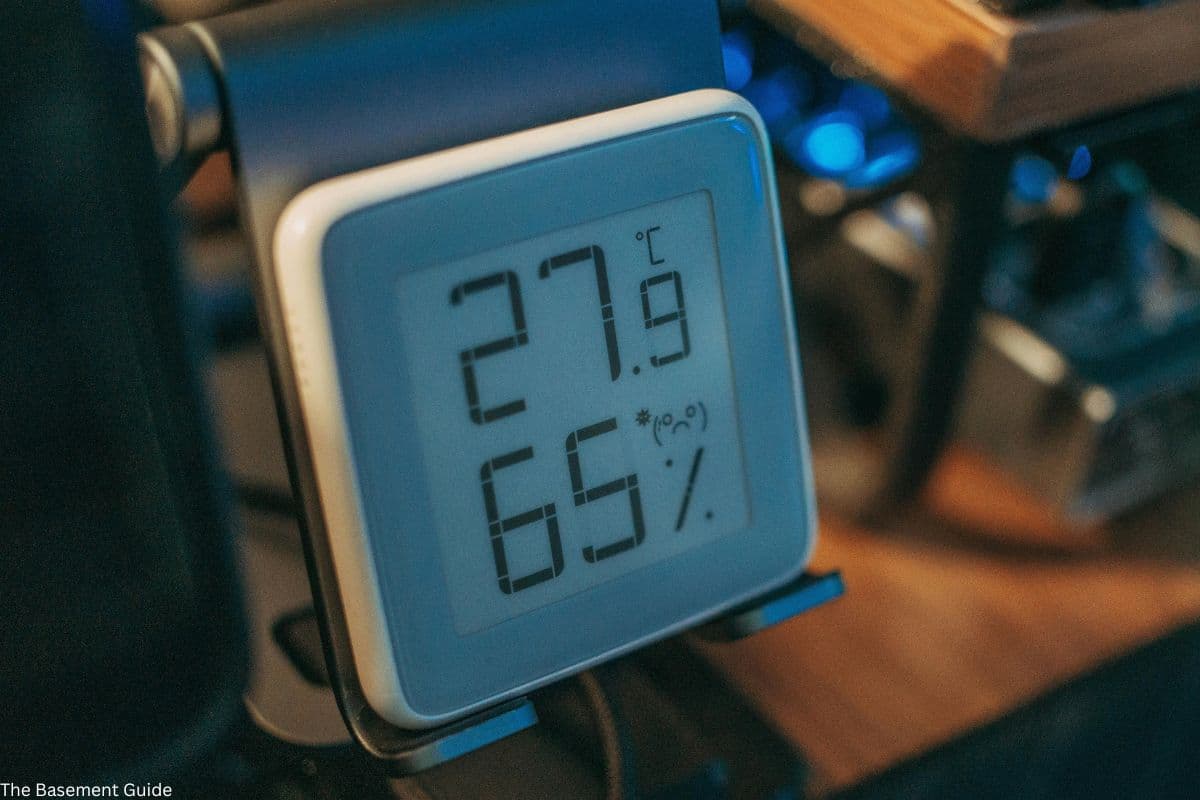
You cannot fix what you do not measure. A hygrometer is the best tool for tracking basement humidity. These small devices show real-time RH levels and often include temperature readings too. Place one in the center of your basement, away from vents or windows, for accurate data. Check it daily at first to spot patterns.
To use one: set it up, wait 24 hours for it to calibrate, then log readings morning and night. If it shows over 50% consistently, dig into fixes. Apps on smart models let you track trends over weeks, helping spot issues like rain spikes.
Best Hygrometers for 2026
ThermoPro TP49 Digital Hygrometer
Affordable at around $10–$15, with a big screen, 18-month battery, and comfort indicators (dry, comfortable, wet). Refreshes every 10 seconds. Perfect for basements.
Govee H5051 Wi-Fi Hygrometer
Around $20–$30, connects to your phone for alerts if humidity hits 60%. Great for remote monitoring and tracking trends over weeks.
AcuRite Digital Hygrometer
Under $15, simple and accurate for basic needs. Works well in damp basements and refreshes every 10 seconds for reliable readings.
As an Amazon Associate, I earn from qualifying purchases.
Quick Fixes for Basement Humidity
If your hygrometer shows high levels, start with these easy, low-cost steps. They provide fast relief but are not permanent. Think of them as bandages while you plan bigger solutions.
Improve Airflow
Open windows when outdoor humidity is below 50% (check weather apps). Use box fans to push stale air out. Exhaust fans in bathrooms or laundry areas vent moisture directly outside.
Seal Small Leaks
Check walls and floors for cracks. Use caulk or hydraulic cement (~$10) to fill them. Wrap cold pipes with insulation foam ($5 per pack) to stop condensation drips.
Absorb Moisture
Place silica gel packs, rock salt, or baking soda in bowls around the space. These pull water from the air cheaply. Change them weekly.
Run a Portable Dehumidifier
For quick drops, a small unit like the Midea 20-pint model ($150–$200) can pull 1–2 gallons of water daily. Set it to 45% and empty the tank often.
Clean Gutters and Grade Soil
Outside, clear debris from gutters so water flows away. Slope soil around your foundation to direct rain elsewhere. These simple steps can drop humidity 10–20% in days.
Cost Estimate
These fixes cost under $200 total and take a weekend. They can drop humidity 10–20% in days, but if levels rebound you need real long-term solutions.
Real Solutions for Long-Term Humidity Control
Quick fixes help temporarily, but for lasting results address the root causes like water intrusion and poor ventilation. These steps cost more upfront but save thousands in repairs.
Basement Waterproofing
Interior options like French drains and sump pumps ($3,000–$8,000) collect and pump out groundwater. Exterior membranes ($8,000–$15,000) stop water at the foundation. Angi 2026 data shows this cuts humidity by 20–30% permanently.
Better Insulation and Vapor Barriers
Insulate walls with rigid foam boards ($500–$1,500) and add plastic vapor barriers to block soil moisture. This keeps basements drier and warmer year-round. See our Basement Insulation Guide for details.
Install a Whole-House Dehumidifier or HRV
A system like the AprilAire E080 ($1,000–$2,000 installed) integrates with HVAC for automatic control. Heat recovery ventilators (HRV) exchange air without adding humidity ($800–$1,500).
Upgrade Ventilation
Add powered vents or an air exchanger to cycle fresh air. For basements without windows, this is key to breaking the stagnant, moisture-heavy air cycle.
Professional Assessment
Hire a basement expert for an inspection ($100–$300). They spot hidden leaks and recommend tailored fixes. Combining solutions like a sump pump plus dehumidifier can keep humidity at 40% year-round for 15–25 years.
Frequently Asked Questions About Basement Humidity
What causes high basement humidity?
Groundwater seepage, poor drainage, unvented appliances, and summer air infiltration are the top culprits. Older homes with no vapor barriers are especially prone.
How do I know if my basement humidity is too high?
Musty smells, condensation on windows or pipes, and visible mold spots are clear signs. Use a hygrometer to confirm — readings consistently over 60% require immediate action.
Can high humidity damage my foundation?
Yes. Excess moisture weakens concrete and wood, leading to cracks, shifts, and long-term structural issues. Address it early to avoid costly repairs.
Is a dehumidifier enough to fix high basement humidity?
For minor issues, yes. But pair it with waterproofing for real, long-lasting control. A dehumidifier treats symptoms; waterproofing fixes the root cause.
How often should I check basement humidity?
Daily at first, then weekly once levels stabilize. Smart hygrometers send phone alerts when humidity exceeds your set threshold.
What if I have a crawl space basement?
Seal it with vapor barriers and add vents or a dedicated dehumidifier. Crawl spaces are especially vulnerable to moisture from the ground.
Quick Glossary of Basement Humidity Terms
Final Advice for 2026
Keeping basement humidity between 30 and 50% is key to a healthy home. Start by measuring with a reliable hygrometer like the ThermoPro TP49, try quick fixes for fast relief, and invest in real solutions like waterproofing for the long haul. Do not ignore high levels — they lead to costly problems.
If you suspect serious issues, use the form below to get free local quotes from basement pros. They can assess your space and recommend the best plan.
Related Guides
Musty Basement Smell Guide
Track down and eliminate that damp, earthy odor for good.
Dehumidifier Myths & Proper Sizing
Why your 30-pint unit is failing and how to choose the right capacity.
French Drain Cost Guide
Interior and exterior French drain pricing for 2026.
Basement Waterproofing Cost Guide
Full cost breakdown for interior and exterior waterproofing.
Basement Insulation Guide
Proper insulation prevents condensation and works with humidity control.
Mold Remediation Cost Guide
What to expect for professional mold removal in 2026.
Get Expert Help With Your Basement Humidity
Connect with pre-vetted waterproofing and HVAC professionals in your area. Free assessments, no obligation.